Daniel Ellsberg Quotes
The fact is that when it comes to judgment as to what should be secret and what should not be secret, Julian Assange's judgment has been pretty good so far.
Ellsberg, Daniel. Interview by Amy Goodman. Democracy Now!, 31 Dec. 2010.


The executive order to which this statement referred was the then new President’s first—Executive Order 13489. It was enthusiastically received by the public, historians, researchers and the media. However at the end of Obama’s two administrations, the system was a little better than when George W. Bush, blocked much of the Freedom of Information Act from being implemented. However, the agencies who want to operate in secrecy without having to deal with public criticism, had developed even more sophisticated techniques of avoiding transparency and when they must disclose, they have developed techniques to delay the process, sometimes even for years, while they study whether the material should be disclosed. The president personally declassified a few CIA files from decades ago that the agency maintained should be secret, but he did nothing else systemic so solve the problem of declassifying and material and nothing to control the over classification which virtually everyone agrees is a major problem. More material is being classified than ever.


The George W. Bush White House which had tried to keep secret things that no other administration in history had attempted found itself in the position where it was leaking secret classified information. A Key staff member of the administration was indicted for covering up their leaking activities of secret material.
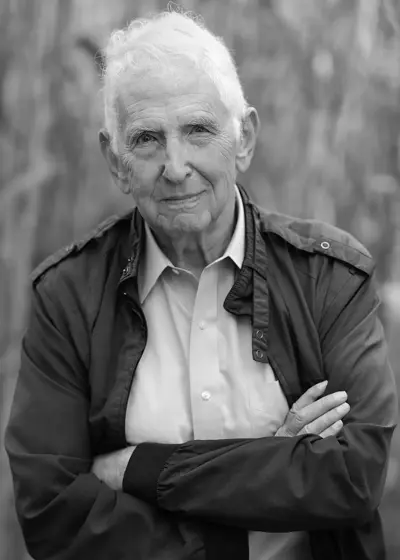
Daniel Ellsberg is an American economist, political activist, and former United States military analyst. While employed by the RAND Corporation, Ellsberg precipitated a national political controversy in 1971 when he released the Pentagon Papers, a top-secret Pentagon study of the U.S. government decision-making in relation to the Vietnam War, to The New York Times, The Washington Post and other newspapers.
