Henry Cabot Lodge Quotes
If that for which the Spanish Empire has stood since the days of Charles V is right, then everything for which the United States stands and has always stood is wrong.
Lodge, Henry Cabot. Congressional Record, 54th Congress, 1st Session, 20 Feb. 1896, p. 1974.

During the Reign of Terror of the French Revolution some powerful Frenchmen in the French Colonies wanted to maintain the caste system to keep the Blacks and other indigenous people from claiming equal rights. They claimed that the colonies would perish. But the French Revolutionaries were committed to “Liberty, Equality, and Fraternity”, and Barnave summed up their viewpoint in this succinct statement of policy which became a memorable quotation.


Burke argued for England giving America much more freedom and self determination.


In 1851 the Anti-Slavery Society of Canada was founded stimulating a major public debate in Canada. Although there was no slavery in Canada, there were sharp differences as to how overt Canadians should become in opposition to American slavery. Southern politicians pressured Canada not to interfere and objected to Canadians giving asylum to fugitive slaves. The hypocrisy of American principles of freedom and liberty with the institution of slavery was a favorite target of Brown’s speeches and writing.


This statement became known as "The Truman Doctrine." Truman asked for $400 million to help Greece and Turkey fight stave off armed Communist minorities destabilizing their governments.


The professor was lecturing to British university students about 75 years after the American Revolution. The “American War” is the term the British use for the American Revolution.


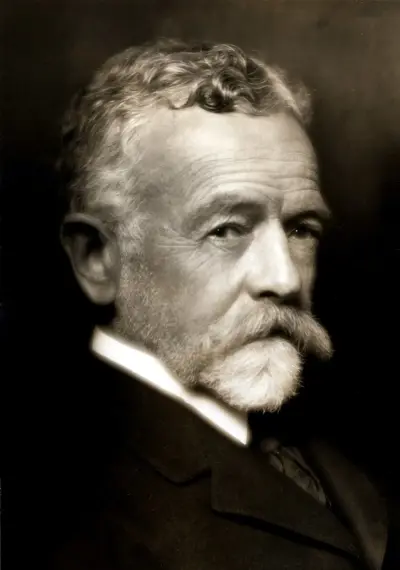
Henry Cabot Lodge was an American Republican politician, historian, and statesman from Massachusetts. He served in the United States Senate from 1893 to 1924 and is best known for his positions on foreign policy. His successful crusade against Woodrow Wilson's Treaty of Versailles ensured that the United States never joined the League of Nations and his reservations against that treaty influenced the structure of the modern United Nations.
