Sri Aurobindo Quotes
If a religion is not universal, it cannot be eternal. A narrow religion, a sectarian religion, an exclusive religion can live only for a limited time and a limited purpose.
Aurobindo, Sri. Karmayogin: Political Writings and Speeches. Complete Works of Sri Aurobindo, vol. 8, Sri Aurobindo Ashram Publication Department, 1997, p. 10.


While not in the Koran, this attributed statement is the basis for the ban on non-Muslims going on a Hajj and going to the most holy Muslim places—Mecca, Mina, Muzdalifa, and Arafat as well as the anti-religious hostility to all religions but Islam which is present in some Muslim countries.


Watchtower Bible and Tract Society of New York

He was arguing to reserve some states as Muslim states by designation. 7 years later he would insist on a separate homeland. India was partitioned and Pakistan and Bangladesh resulted but at a fearful cost of tens of millions of lives.


The Ottoman Empire was a word Superpower for over 1,000 years, longer than any other in history, One of its great strengths was its pluralism and ability to not only absorb and assimilate people from other nations, cultures and religions, but also to utilize those people in key positions and contributions to their society. Christians and Jews rose to the highest positions under the Sultans. They became Governor’s of Provinces, manages of departments and even Grand Vizier to the Sultan himself. Jewish and Christian physicians, attorneys, traders were all valued in the Empire even though the had a second class status relative to Muslims. The opportunity was always there to convert to Islam and many did, but many did not and thrived, The Ottomans saw Christian Europe, not only in continuous religious conflict, but individual nations were never able to use the talents of the religious minority, the way that the Ottomans did, and later the United States did. Not only did the Ottomans allow immigrants from all over the world to become part of the Empire Government or Economy, but they actually send agents throughout the empire to find the best and the brightest of young men—regardless of religion or nationality—and bring them to the Sultan’s court for education, training and service. IT should be noted however, that the motivation was in no way moral or a desire for fairness. It was totally pragmatic. Exceptional manpower was not to be wasted.


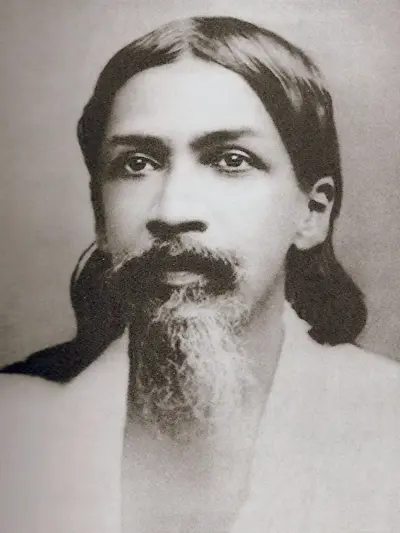
Sri Aurobindo was an Indian philosopher, yogi, maharishi, poet, and Indian nationalist. He joined the Indian movement for independence from British rule, till 1910 was one of its influential leaders and then became a spiritual reformer, introducing his visions on human progress and spiritual evolution.
