Frederick Douglass Quotes
I could live for the slave. John Brown could die for him.
Frederick Douglasss, ~1817-1895, Abolitionist & Editor, Recorder of Deeds, District of Columbia, U. S. Minister to Haiti, Statement upon the execution of John Brown, 1859
Sourced by: Eigen's Political and Historical Quotations


While England was strongly opposed to slavery, the English textile industry benefited from importing American Southern cotton. So many in England were supportive of the Confederacy.
Gusley had been captured by the Confederates and was in a prison camp. Richardson published Gusley’s diary and Southerners were surprised to find that this Yankee who had been bombarding them from a ship was very similar to them in many ways including slavery but saw the situation regarding succession as worth fighting for preservation of the Union.

The highest court in New York.


Referring to the British war dead:

Indeed he was. Relatively unknown before his execution, he became one of the most recognized martyrs and characters of history. Songs about him are even today sung by people who have no idea who he was or what he stood for, but in his death he drew attention to the evils of slavery as few others had.


This was Wesley’s last letter. Wilberforce, a member of Parliament, had been a convert to Methodism and was the leading spokesperson in Parliament for making participation in the slave trade illegal. It would take 16 years of effort before England outlawed participation in the slave trade. Note the distinction commonly made by abolitionists at the time regarding American slavery as the worst of all.


The cause of the Civil War was slavery. When the Souh fired on the nation’s army and governmental personal, the secession became treason. So Slavery was the cause of the treason. Douglass argued that if we eliminate slavery, we eliminate the cause of the Treason.


Grimke was the daughter of a prestigious, wealthy, slave owning, Southern Family from Charleston, and this letter was the first from anyone of the establishment of the South which favored abolition. It shook the Southern establishment to the core.
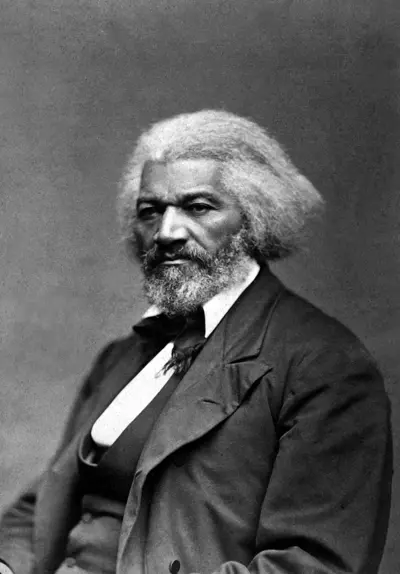
Frederick Douglass was an American social reformer, abolitionist, orator, writer, and statesman. After escaping from slavery in Maryland, he became a national leader of the abolitionist movement in Massachusetts and New York, becoming famous for his oratory and incisive antislavery writings. Accordingly, he was described by abolitionists in his time as a living counterexample to slaveholders' arguments that slaves lacked the intellectual capacity to function as independent American citizens. Likewise, Northerners at the time found it hard to believe that such a great orator had once been a slave.
