Julia Ward Howe Quotes
In the beauty of the lilies Christ was born across the sea; With a glory in his bosom that transfigures you and me; As he died to make men holy, let us die to make men free; While God is marching on.
This great patriotic hymn was initially written as a poem and published in The Atlantic Monthly, February 1862. This last verse called for men to be willing to die to for the freedom of other men (the slaves) just as Christ had been willing to die to save men. This call was amazingly successful and struck a chord for many on the Union side for whom the Civil War was a holy war. Ironically, this powerful last verse is not familiar to most Americans who know and often sing the first verse.
Julia Ward Howe, 1819-1910, Editor, Poet, and abolitionist, First President, New England Woman Suffrage Association, Editor, The Commonwealth, Last Verse of The Battle Hymn of the Republic, 1862
Sourced by: Eigen's Political and Historical Quotations


The 3rd verse is rarely sung because of its reference to the then existing and generally accepted system of indentured servitude and slavery.

His family was one of the wealthiest in Rhode Island. He called in the entire family and he formally read the deed. The family itself had actually been active in the slave trade under John, his oldest brother, so this deed was very shocking to them. Moses became a leading abolitionist in Rhode Island and John the major defender of slavery in the state. Despite that, the brothers actually remained close.


Grimke was the daughter of a prestigious, wealthy, slave owning, Southern Family from Charleston, and this letter was the first from anyone of the establishment of the South which favored abolition. It shook the Southern establishment to the core.


In the Civil War a drafted conscript could pay money instead of serving in the army. Many rich and middle class men did so leaving a higher proportion of the poor to be drafted. The song is sometimes misattributed to William Cullen Bryant.


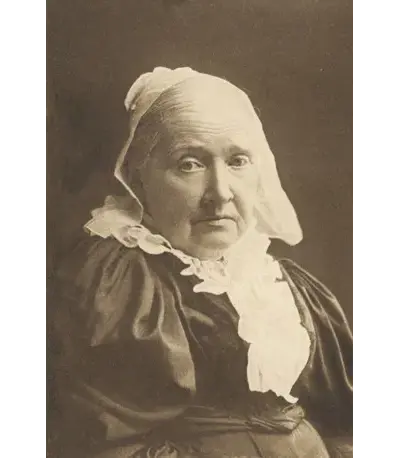
Julia Ward Howe was an American poet and author, known for writing "The Battle Hymn of the Republic" and the original 1870 pacifist Mother's Day Proclamation. She was also an advocate for abolitionism and a social activist, particularly for women's suffrage.
