William O. Douglas Quotes
I am not yet ready to agree that America is so possessed with evil that we must level all constitutional barriers to give our civil authorities the tools to catch criminals.
William O. Douglas, 1898-1980, U.S. Supreme Court Justice, Chairman, Security & Exchange Commission, Dissent, California Bankers Association v. Shultz, 1974
Sourced by: Eigen's Political and Historical Quotations


The choice is usually contrasted between guilty persons going free, rather an innocent one be adjudicated guilty. But here the justice tells us that the avoidance of an innocent person being subject to easy arrest is important enough to have a system where guilty people sometimes escape justice.

In the face of terror bombings, Britain passed some anti-terror laws which also somewhat infringed on civil rights, liberty and privacy.


In the aftermath of 9-11, there was a call for giving the law enforcement agencies more authority and the Patriot Act was passed in haste and fear. Some law enforcement personnel then went about picking up Arab Americans and in many cases holding them incommunicado without any charges. No terrorists were discovered by this process and yet good American citizens were abused, traumatized and insulted. In our zeal to protect American freedom, we actually began to resemble some of the capricious and abusive practices of our undemocratic enemies. There were other abuses allowed under the Patriot Act, but at the time of this writing the extent had not yet been revealed, but the refusal of the authorities to make public the national security benefits suggests that there was not much national security benefit and much abuse.

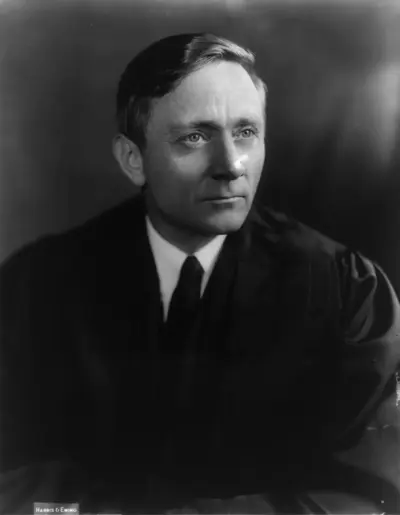
William Orville Douglas was an American jurist and politician who served as an associate justice of the Supreme Court of the United States. Nominated by President Franklin D. Roosevelt, Douglas was confirmed at the age of 40, one of the youngest justices appointed to the court. His term, lasting 36 years and 211 days (1939–75), is the longest in the history of the Supreme Court. In 1975, Time magazine called Douglas "the most doctrinaire and committed civil libertarian ever to sit on the court."
