Robert M. La Follette Quotes
How can that popular will express itself except by meetings, by speeches, by publications, by petitions, and by addresses to the representatives of the people? Any man who seeks to set a limit upon those rights, whether in war or peace, aims a blow at the most vital part of our government.... And before this great fundamental right [freedom of speech] every other must, if necessary, give way, for in no other manner can representative government be preserved.
Those who wanted to restrict freedom of speech during World War I argued that the popular will could express itself during elections:
Robert M. La Follette, 1855-1925, Governor of Wisconsin (Republican), U.S. Senator (Republican, WI), Presidential Candidate (Progressive), Senate speech, October 6, 1917
Sourced by: Eigen's Political and Historical Quotations


Striking down a law making cross burning a crime:


Many of the fundamental principles of government that were in the United States Constitution, were already in the Constitutions of different states. Vermont had a substantial number of them. When we speak of the Constitution as a “revolutionary document” it was to the rest of the world but not to many Americans who had these concepts in their state constitutions and had been living with them for some time.


In WWI Congress had passed a law that prohibited anyone from undermining or interfering with the war effort. The defendants had passed out anti-war literature to young men heading for military service. The court then overlooked the First Amendment and came up with a strange logic where the “clear and present danger” was the test of whether the First Amendment would apply. The anti war pamphleteers went to jail. Today, we look back on this and find it very surprising but this is yet another example of erosion of freedom and civil liberties when the nation is at war. By the 1950s, the Supreme Court had reversed itself and the First Amendment was restored to its original intent.

The important thing about rights is that they exist independent of majority opinion. The majority might want to trample the rights of an unpopular group or individual. Very often Islamic modernists like Serageldin are many among the educated Muslims but the majority views are often drowned out by the violence and extremist statements of the fundamentalists.


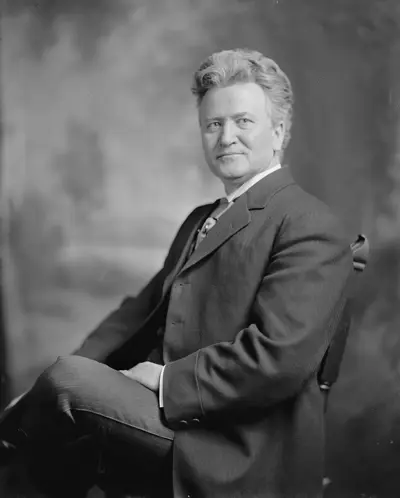
Robert Marion "Fighting Bob" La Follette Sr., was an American lawyer and politician. He represented Wisconsin in both chambers of Congress and served as the Governor of Wisconsin. A Republican for most of his career, he ran for President of the United States as the nominee of his own Progressive Party in the 1924 presidential election. Historian John D. Buenker describes La Follette as "the most celebrated figure in Wisconsin history."
