Ambrose Bierce Quotes
GUILLOTINE, n. A machine which makes a Frenchman shrug his shoulders with good reason.
Bierce, Ambrose. The Devil's Dictionary. The Neale Publishing Company, 1911.


Joseph-Ignace Guillotin was not thye inventor or the execution machine that bears his name. The actual inventor of the prototype was Antoine Louis. However, Guillotin--a physician by training was very concerned that a very high percentage of beheadings were botched by the executioner and the victim suffered greatly. He became the public and political advocate for the reform of the mode of execution in France to reduce suffering. The device ended up with his name as the noun to describe it. In this quotation, he made his first majhor speech to his fellows of the French Chamber of Deputies in 1791. Prior to the Frech Revolution beheading was the method of execution reserved for the Nobility & Aristocracy. They couod pay the executioner a "fee" to be sure that his sword or ax was sharp and that he/she would not suffer much. Nonetheless, many executions were botched. After the Revolution giving ALL citizens the same royal execution if they were convicted felons. So its adoption was a revolutionay act and philosophically based.


The terror to which he referred was to the French Revolution’s executing former aristocrats and then including anyone suspected of monarchist sympathies.


Later, in 1973, he himself was denounced and sentenced to the guillotine. When he was sentenced, hecklers asked him if his blood was too pure for execution throwing his quotation back at him.


In 1938 when Hitler started his military operatiomn to overrun Europe, he abolished beheading with the axe a traditional and barbarous form of capital punishment. The two legal methods of execution in Germany after this decree were hanging and a version of the guillotine.


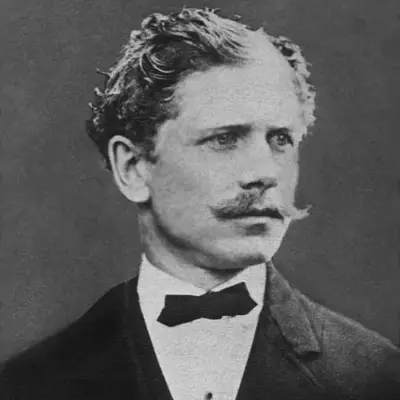
Ambrose Gwinnett Bierce was an American short story writer, journalist, poet, and Civil War veteran. His book The Devil's Dictionary was named as one of "The 100 Greatest Masterpieces of American Literature" by the American Revolution Bicentennial Administration. His story "An Occurrence at Owl Creek Bridge" has been described as "one of the most famous and frequently anthologized stories in American literature"; and his book Tales of Soldiers and Civilians (also published as In the Midst of Life) was named by the Grolier Club as one of the 100 most influential American books printed before 1900.
