Charles Dickens Quotes
Above all, one hideous figure grew as familiar as if it had been before the general gaze from the foundations of the world - the figure of the sharp female called La Guillotine. It was the popular theme for jests; it was the best cure for headache, it infallibly prevented hair from turning gray, it imparted a peculiar delicacy to the complexion, it was the National Razor which shaved close: who kissed La Guillotine looked through the little window and sneezed into the sack.
Dickens, Charles. A Tale of Two Cities. Chapman and Hall, 1859, p. 195.


The king was found guilty and was decapitated, but not wearing a crown.


Note that the fact that she had suffered sposal abuse. She poisoned her husband who repeadedly beat her and her children. Althoughh the evidence was heard, there was nothing that could in the then German legal system used to justify the killing of a husband. Germany was not then the only country which would not allow violent spousal abuse as a defense or a mitigating factor in the sentence. The German punishment for a woman murdering her husband was then beheading. Even as late as the mid 19th century, they were still decapitating trangressors of their laws. The Germans actually developed a special kind of sword with no point just for beheadings.


Although Bolivar is generally seen as a great idealist and humanitarian, he had his brutal and immoral aspects. This quotation proves that Bolivar ordered the bloody massacre of helpless Spanish prisoners of war including those in the hospital. Also the beheading illustrates the bitterness and barbarity of the wars for independence from Spain. See {632671} for Bolivar’s rationale for massacring helpless prisoners of war.


The revolution turned on many of its initiators including Vergniaud. He was guillotined along with other Girondists.

Tens of thousands of Iranians were.

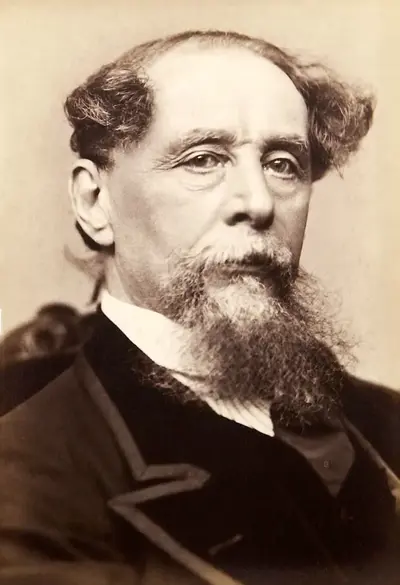
Charles John Huffam Dickens FRSA was an English writer and social critic. He created some of the world's best-known fictional characters and is regarded by many as the greatest novelist of the Victorian era. His works enjoyed unprecedented popularity during his lifetime and, by the 20th century, critics and scholars had recognised him as a literary genius. His novels and short stories are widely read today.
