Edward Abbey Quotes
The “terror” of the French Revolution lasted for ten years. The terror that preceded and led to it lasted for a thousand years.
Edward Abbey, 1927-1989, Writer and humorist, Vox Clamantis In Deserto
Sourced by: Eigen's Political and Historical Quotations


Louis Napoleon had seized control of France and had very little popular support amongst the aristocracy and middle class. However, the Socialists leading the uprisings frightened them more than Louis Napoleon as the Socialists had the support of the peasants who resented the abuses of the aristocracy and many of the middle class. This was true class warfare and not at all what was possible in the United States when American conservatives would claim “class warfare” when there was a move for more progressive taxation. In Europe, class warfare really meant death and destruction, so for many who knew the history, the claim of “class warfare” was frightening and a large part of the “Red Scare” in the United States.

There were many Americans who were Tories and proBritish. There were also many who, while they were not pro British, were not enthusiastic about the Revolution and the death and devastation that it brought. In France however, the American Revolution was seen in much more romantic and theoretical terms. See {621958} and {621957}.

The revolution turned on many of its initiators including Vergniaud. He was guillotined along with other Girondists.


The slogan was made famous by James Larkin, 1875–1947, Irish trade union leader who used it frequently and whose memorial statue in Dublin contains the quotation in French, English and Irish.

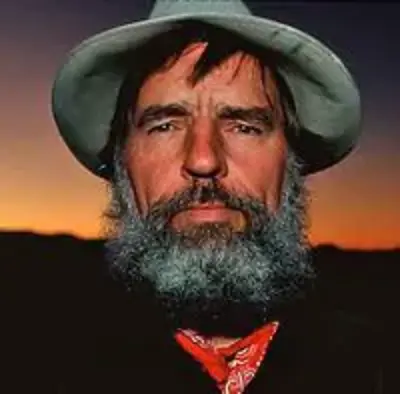
Edward Paul Abbey was an American author and essayist noted for his advocacy of environmental issues and criticism of public land policies. His best-known works include Desert Solitaire, a non-fiction autobiographical account of his time as a park ranger at Arches National Park considered to be an iconic work of nature writing and a staple of early environmentalist writing; the novel The Monkey Wrench Gang, which has been cited as an inspiration by environmentalists and groups defending nature by various means, also called eco-warriors; his novel Hayduke Lives; and his essay collections Down the River (with Henry Thoreau & Other Friends) (1982) and One Life at a Time, Please (1988).
