Saint Ambrose Quotes
God drove Cain out of his presence and sent him into exile far away from his native land, so that he passed from a life of human kindness to one which was more akin to the rude existence of a wild beast.
Ambrose. St. Ambrose: Hexameron, Paradise, and Cain and Abel. Translated by John J. Savage, Fathers of the Church, Inc., 1961, p. 433.

She was tried by the Puritan religious and civil court for heresy. She started with Bible Study classes in her home and drew a substantial following. The clergy at the time were threatened and outraged. It was one thing for a woman to teach Bible Study to other women, but to also have men with the women was too much. The decision of the court was that she was banished from the colony. John Winthrop, Governor of the Massachusetts Bay Colony, presiding, answered: "Say no more. The Court knows wherefore, and is satisfied." See {584754}. In 1987, Massachusetts Governor Michael Dukakis pardoned Anne Hutchinson, revoking the order of banishment by Governor Winthrop 350 years earlier.


She had been accused of having religious meetings and “instructing” men and women.


Explaining why he appointed James Buchanan as Ambassador to Russia:

Christie was a Tory—a British supporter, but what he did that was so offensive was that he had requested that British Troops come to Maryland to control the rebellion.


For many extremists Muslims, this sura calls for the torture or killing of the enemies of Islam. For the more moderate Muslims, the penalty of opposing Islam should be expulsion or banishment. The further modern complication of this sura is the definition of “making war with Allah.” To some extremists, it is writing or publishing anything contrary to their view of Islam; it is occupying any Islamic nation or warring with that nation even though the basis of the war might have nothing to do with religion; it is bringing a Bible into an Islamic nations; it is allowing alcohol to be sold and served; it is opposing their discriminatory customs and laws; it is pressuring them not to stone adulteresses.
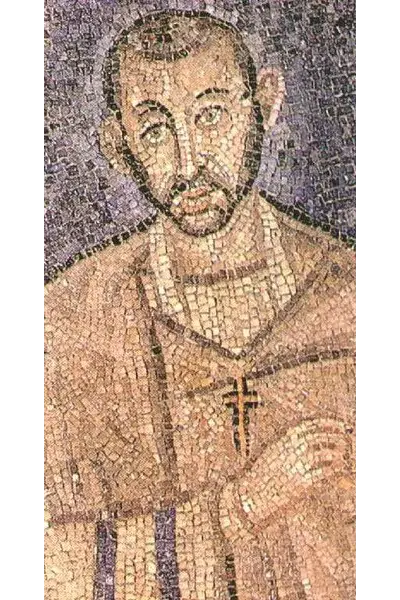
Ambrose of Milan (born Aurelius Ambrosius; c. 340 – 397), venerated as Saint Ambrose, was the Bishop of Milan, a theologian, and one of the most influential ecclesiastical figures of the 4th century.
