WILLIAM BRADFORD
John Mason led a force of 90 Pilgrims and 70 Mohegan Allies quietly surrounded the Pequot village at Mystic. Then they fired their guns into the village and charged the Pequot houses, setting them on fire and killing all those who tried to escape. Over 400 Pequot were killed. The Mohegan allies were so shocked at the carnage that they shouted, “Stop! Stop! It is naught, it is naught, because it is too furious, and slays too many men.” Prior to the massacre of Mystic Village, there had been many battles and villages destroyed, but this marked the first time that entire populations of men, women and children were exterminated in the English Colonization. After Mystic village both whites and Indians participated in terrible massacres inflicted on each other. This was not the first massacre in America as the Spanish in the South and West commonly used the tactic.
In the 17th century American Plymouth Colony there were a series of tasks that had to be performed every day for the survival and benefit of the community. The workload was shared by all citizens. One Christmas some of the younger men decided not to work on religious grounds believing that their religious interpretation forbad work on Christmas. They were excused, but soon the Governor discovered that all the young men in question were playing and sporting in the street. They were embarrassed and all went home.
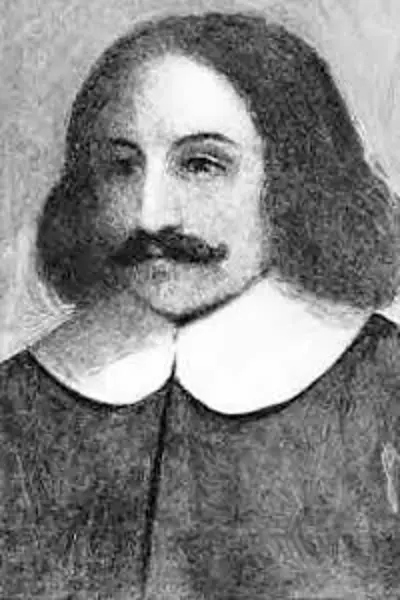
William Bradford was an English Puritan separatist originally from the West Riding of Yorkshire in Northern England. He moved to Leiden in Holland in order to escape persecution from King James I of England, and then emigrated to the Plymouth Colony on the Mayflower in 1620. He was a signatory to the Mayflower Compact and went on to serve as Governor of the Plymouth Colony intermittently for about 30 years between 1621 and 1657. His journal Of Plymouth Plantation covered the years from 1620 to 1646 in Plymouth.
