Edward Abbey Quotes
Congress is always willing to appropriate money for more and bigger paved roads, anywhere -- particularly if they form loops.
Abbey, Edward. A Voice Crying in the Wilderness (Vox Clamantis in Deserto). St. Martin's Press, 1990.


At the time, roads were built by the states. This was one of the first instances urging that the Federal Government take some responsibility for roads. This would culminate when President Eisenhower proposed and created the National Highway System and as Madison predicted, it would have a massive economic benefit for the nation.

FDR had envisioned a national highway system. He had taken a map of the United States and drew three horizontal lines across the country and another three vertical lines running North to South. These he envisioned as a national highway system. The Second World War intervened with all men and material devoted to the war effort, highway ideas were all on the back burner. After the war President Dwight Eisenhower, in one of the great presidential achievements of American history, initiated the Federal National Highway System. The main difference was a reversal of the classic party positions. Democrat Roosevelt had planned to have the users pay for much or part of the construction and maintenance, while Republican Eisenhower accepted the entire burden on the general taxpayers and tolls and usage fees were banned on Federal Highways.


it was done in the Eisenhower administration


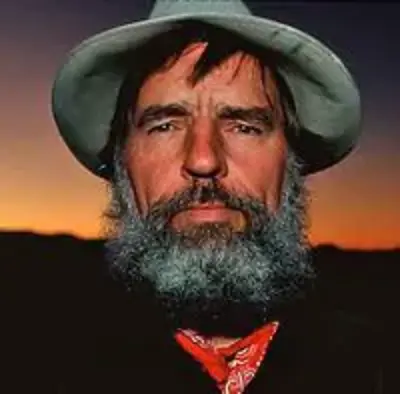
Edward Paul Abbey was an American author and essayist noted for his advocacy of environmental issues and criticism of public land policies. His best-known works include Desert Solitaire, a non-fiction autobiographical account of his time as a park ranger at Arches National Park considered to be an iconic work of nature writing and a staple of early environmentalist writing; the novel The Monkey Wrench Gang, which has been cited as an inspiration by environmentalists and groups defending nature by various means, also called eco-warriors; his novel Hayduke Lives; and his essay collections Down the River (with Henry Thoreau & Other Friends) (1982) and One Life at a Time, Please (1988).
