Ron Suskind Quotes
By virtue of some of the ways the game is played, in terms of message discipline, in terms of access for reporters, and especially in the way that sources and subjects, especially famous subjects, treat the media, almost by default there's more news that's falling into books.
Suskind, Ron. "Interview: Ron Suskind." Frontline: News War, PBS, 25 Oct. 2006.


The George W. Bush administration was a very ideological one as opposed to pragmatic. They would not tolerate public officials who would say anything that might undermine an administrative ideological position. In particular, they did not want government scientists releasing any data or information that was not totally consistent with their ideology and program. They introduced a new policy within the government whereby no one could talk to a reporter or make a public speech or deliver a professional paper without first getting approval of administration “public affairs” agents first. Government scientists and other officials had never before been censored like this. Important scientific studies were not made public where they might not support the administration ideological positions. This is how the NASA public affairs official explained his role.


See Dee Dee Myers’ Response {618820}


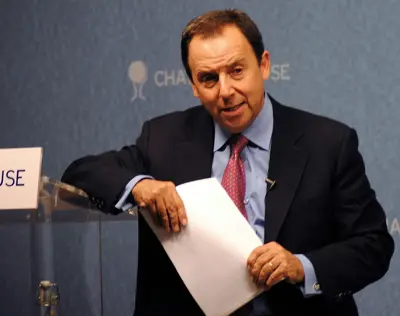
Ronald Steven "Ron" Suskind is an American journalist, author, and filmmaker. He was the senior national affairs writer for The Wall Street Journal from 1993 to 2000, where he won the 1995 Pulitzer Prize for Feature Writing for articles that became the starting point for his first book, A Hope in the Unseen. His other books include The Price of Loyalty, The One Percent Doctrine, The Way of the World, Confidence Men, and his memoir Life, Animated: A Story of Sidekicks, Heroes, and Autism, from which he made an Emmy Award-winning, Academy Award-nominated feature documentary. Suskind has written about the George W. Bush Administration, the Barack Obama Administration, and related issues of the United States' use of power.
