Mahatma Gandhi Quotes
By sheer force of a vicious custom even the most ignorant and worthless of men have been enjoying a superiority [over women] which they do not deserve and ought not to have.
This statement is not only remarkable for its time, but also violated Hindu religious tradition and scripture. See Padmapurana.
Mohandas K. Gandhi, 1869-1948, Indian Political and Spiritual Leader, Quoted in The Indian Social Reformer, October 29, 1922
Sourced by: Eigen's Political and Historical Quotations


Women were not, in the decisions of Canadian courts “Persons.” As such they were not allowed to serve as public officials and legislators. In 1929 the Judicial Committee of the Privy Council reversed previous interpretations and declared women eligible for all public offices. It became known as “The Persons Case.”

See {592434} for more on ‘honor killings’ where male relatives kill females who have been accused of sexual activity. This is perceived to dishonor the family by many Muslims. She was responding to an Egyptian judge who was arguing that men who commit honor killings should not be punished to harshly as the men were in great emotional states at the time because they were so upset.


He was a major critic of French Quebec Separatism and some elements of French Canadian culture including his perception of sexism. His French Quebec Separatist enemies translated passages of this work into French and (some say deliberately) mistranslated this line to read: Quebec women are sows. The quotation was bandied about Canada in the original version as well as the mistranslation.

She is vehemently opposed to allowing women to serve in the armed forces.


Referring to women and children


The classification of women with criminals and lunatics referred to the fact that at this time Women could not vote in New Zealand or any other nation of the world. The following year, much as a result of her efforts, New Zealand became the first country in the world to allow women to vote.
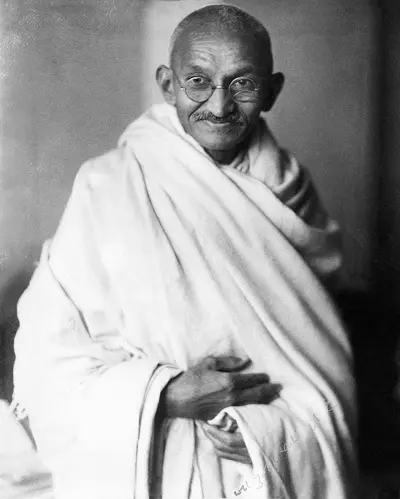
Mohandas Karamchand Gandhi was an Indian lawyer, anti-colonial nationalist, and political ethicist, who employed nonviolent resistance to lead the successful campaign for India's independence from British rule, and in turn inspired movements for civil rights and freedom across the world. The honorific Mahātmā (Sanskrit: "great-souled", "venerable"), first applied to him in 1914 in South Africa, is now used throughout the world.
