MORDECAI RICHLER
He was a major critic of French Quebec Separatism and some elements of French Canadian culture including his perception of sexism. His French Quebec Separatist enemies translated passages of this work into French and (some say deliberately) mistranslated this line to read: Quebec women are sows. The quotation was bandied about Canada in the original version as well as the mistranslation.
Richler was disliked by Levesque and other French Quebec Separatists because he opposed not only separatism but special privileges for Francophiles compared with other minorities. However, he was an admirer of the French Canadians as people and Canadians and was a supporter of Trudeau—he just opposed the separatists and special privileges for them. But some French Canadians were surprised by this quotation.
The 1977 Quebec language law decreed that all immigrants be educated in French, that all businesses transact in French, that English-named towns, rivers, and mountains be Frenchified, and that all English (or even bilingual) commercial signs be outlawed. Other minorities could only transact business in French. After great protest and ridicule the Quebec Parliament amended the law to allow French signs to contain another language provided that the font of the other language was no bigger than half that of the French.
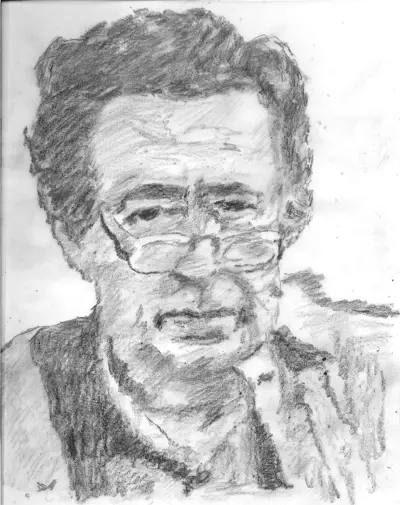
Mordecai Richler was a Canadian writer. His best known works are The Apprenticeship of Duddy Kravitz (1959) and Barney's Version (1997). His 1970 novel St. Urbain's Horseman and 1989 novel Solomon Gursky Was Here were shortlisted for the Man Booker Prize. He is also well known for the Jacob Two-Two children's fantasy series. In addition to his fiction, Richler wrote numerous essays about the Jewish community in Canada, and about Canadian and Quebec nationalism. Richler's Oh Canada! Oh Quebec! (1992), a collection of essays about nationalism and anti-Semitism, generated considerable controversy.
