Marquis de Condorcet Quotes
Among the progress of the human mind that is most important for human happiness, we must count the entire destruction of the prejudices that have established inequality between the sexes, fatal even to the sex it favors….This inequality has no other source but the abuse of power, and men have tried in vain to excuse it by sophisms.
Marie Jean Antoine Nicolas Caritat, 1743¬1794, Marquis de Condorcet, French Scientist & Philosopher, Designer of the French Educational System, The Future Progress of the Human Mind
Sourced by: Eigen's Political and Historical Quotations


Men at the time were recognizing science and nature and advocating harmony with them.


The following year, women got the right to vote, the first nation to reach that level of enlightenment.


Referring to women and children
Women were not, in the decisions of Canadian courts “Persons.” As such they were not allowed to serve as public officials and legislators. In 1929 the Judicial Committee of the Privy Council reversed previous interpretations and declared women eligible for all public offices. It became known as “The Persons Case.”

This statement is not only remarkable for its time, but also violated Hindu religious tradition and scripture. See Padmapurana.

Actually, shortly thereafter some women in Egypt were allowed to be judges, but were not allowed to handle serious criminal cases on the grounds that women could not be hard enough to impose heavy punishment like the death penalty.


Her audiences were all familiar with the Adam & Eve Biblical narration.


Mill was one of the early thinkers to realize that gender discrimination was not only unfair to women, but was a barrier to progress for the whole society including the men.

At the time, the entertainment industry, while it was open to female entertainers and writers, has been male dominated for years. Very few women were directors, producers, or executives who controlled power or money.


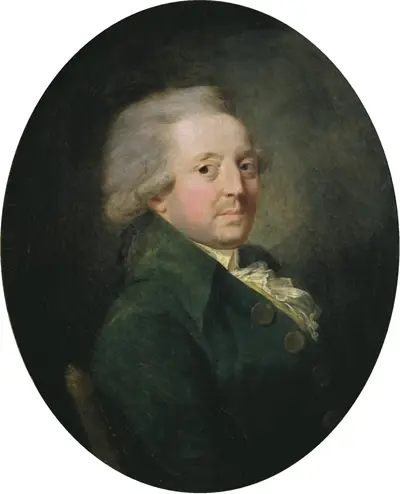
Marie Jean Antoine Nicolas de Caritat, Marquis of Condorcet, known as Nicolas de Condorcet, was a French philosopher and mathematician. His ideas, including support for a liberal economy, free and equal public instruction, constitutional government, and equal rights for women and people of all races, have been said to embody the ideals of the Age of Enlightenment and Enlightenment rationalism. He died in prison after a period of flight from French Revolutionary authorities.
