Ambrose Bierce Quotes
Ambassador: In diplomacy, an officer sent into a foreign country as the visible embodiment of his sovereign's hostility.
Ambrose Bierce, 1842-1914?, Journalist & Political Columnist, The Devil's Dictionary, 1911
Sourced by: Eigen's Political and Historical Quotations


The ambassador had received a public hearing under the assumption that the meeting would be perfunctory. Instead he used the occasion to protest the Queen's quarrels with the Spanish as it was affecting Polish merchants. Such a public complaint to a sovereign was a breach of diplomatic etiquette at the time.


In 1904 the Archduchess of Austria was visiting the Adriatic port of Fiume where hundreds of immigrants to America were waiting to board the ship. The nobility of the time found amusement in the poor immigrants boarding with their meager possessions and poor clothes. The Archduchess wanted the people to board 3 days early so she could watch the spectacle before she left. They would then have to stay in the steerage of the ship for 3 extra days. The American consul refused to issue the necessary papers until just before the sailing:

The highest court in New York.


“Dey” and “bey” were Arabic terms for the local ruler of an area.


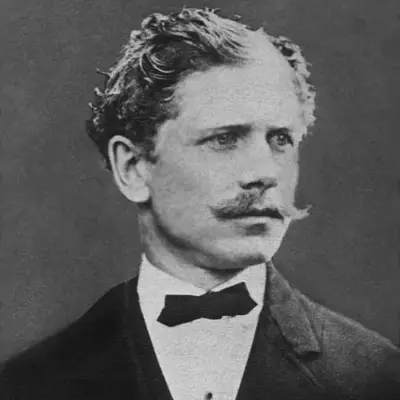
Ambrose Gwinnett Bierce was an American short story writer, journalist, poet, and Civil War veteran. His book The Devil's Dictionary was named as one of "The 100 Greatest Masterpieces of American Literature" by the American Revolution Bicentennial Administration. His story "An Occurrence at Owl Creek Bridge" has been described as "one of the most famous and frequently anthologized stories in American literature"; and his book Tales of Soldiers and Civilians (also published as In the Midst of Life) was named by the Grolier Club as one of the 100 most influential American books printed before 1900.
