Ida B. Wells Quotes
Although lynchings have steadily increased in number and barbarity during the last twenty years, there has been no single effort put forth by the many moral and philanthropic forces of the country to put a stop to this wholesale slaughter.
Wells, Ida B. A Red Record: Tabulated Statistics and Alleged Causes of Lynching in the United States. Donohue & Henneberry, 1895, p. 96.

Named after penal reformer Johne Howard, 1726-1790. Howard Associations have since been organized in many countries.

William Z. Foster, the 1928 communist presidential candidate, was arrested because his party’s leaflet contained this “inflammatory” slogan.

The Muslim Brotherhood had won the Presidency in the first Egyptian democratic election shortly after the ouster of Mubarak when they were the only party that was organized. However, after one year of government, their performance was so bad that critics like El Baradei offered strong public criticism—especially of the preoccupation with Islam with little government attention given to freedom, human rights, and the economy which was in terrible shape. This triggered many protests and demonstrations in Tahrir Square where intimidation of protesters was accomplished by beatings and lynchings in the midst of a large number of Brotherhood supporters who would infiltrate the crowd. The Islamic fundamentalists were particularly harsh on female protesters who were beaten, had their clothes ripped off, and in many cases raped. A few days after this article was published there was an insurrection of huge crowds of Egyptians and the Muslim Brotherhood President Morsi was forced to resign.


Lincoln had instituted the first draft in American History and it was terribly resented by many Americans. The draft laws allowed the wealthy and upper middle class to avoid service by paying a $300 fee of hiring a substitute just like in the Vietnam War the upper classes could get College Draft deferments. The mob led mostly by poor Irish, began by protesting the draft; then they attacked the mansions and houses of the wealthy; and then they went after Blacks. The Irish poor feared large numbers of Negroes coming out of slavery and competing for their jobs and lowering the prevailing wages. Blacks were beaten and lynched and 5,000 almost half of the then Negro population were driven to Brooklyn, New Jersey and the New York suburbs. It was the worst riot in United States History.


1st Viscount Shibusawa. Not only was there gross discrimination—mostly in the Western States—against the Japanese, but they were subjected to physical harassment and violence.

Instead of standing and saluting as professional athletes have done for decades before games, he kneeled and refused to stand. This caused great public criticism but also some initial support. He was potentially risking his multimillion dollar salary as this technically violated his contract to avoid anything embarrassing to the team. He also donated $1 million to programs in the area that were working to enhance Black/white understanding. Even those who disagreed with his choice of protest defended his right to do so, and after the initial furor, public opinion, while not in agreement about his method, tended to support him for having the courage of his convictions and using his celebrity for a worthy cause. After sensing the public opinion, his team matches his $1 donation. Professional athletes both in the NFL and in other sports then began to do the same as a form of protest for the large, disproportionate, number of black men who were killed, mostly when unarmed, by police. The reference to the “paid leave” was the practice followed by most police departments—usually required by collective bargaining agreements with police unions—of placing police officers accused of committing violations of laws or regulations on paid administrative leave while all the investigations, hearings, and other processes . While this practice protected the rights of those police officers who were not guilty, it ended up paying brutal murders for a some time entire their case was decided or acted upon be the district attorney.


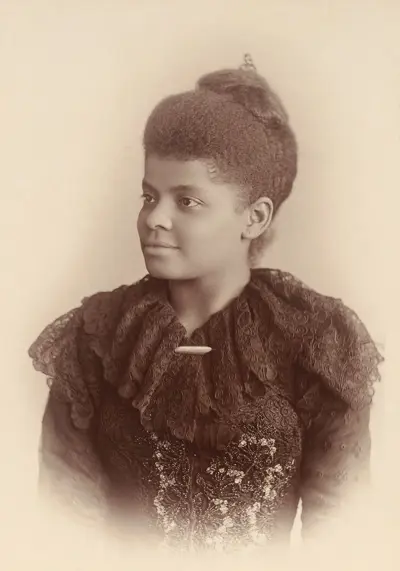
Ida Bell Wells-Barnett was an American investigative journalist, educator, and early leader in the civil rights movement. She was one of the founders of the National Association for the Advancement of Colored People (NAACP). Over the course of a lifetime dedicated to combating prejudice and violence, and the fight for African-American equality, especially that of women, Wells arguably became the most famous Black woman in America.
