Kim Il-sung Quotes
All ideological work must be subordinated to the interests of the Korean revolution
Kim Il-sung, 1912–1994, Founder of the Democratic People's Republic of Korea (North Korea), “Great Leader" and "Eternal President”, Speech, December 28, 1955
Sourced by: Eigen's Political and Historical Quotations


Vladimir Lenin. Early in the Russian Revolution, Trotsky was thought of as the leading and most prestigious member of the revolution while formal positions and constitutions were being developed. Lenin himself thought this reasonable. Later, Stalin would have Trotsky assassinated.

There was an attempt by some Libyans to attack a Libyan student at an American University who was an outspoken critic of the Qaddafi regime.

Rival to Mao. This quotation is historically important because it shows how intensively the Chinese Communists concentrated on organizing the fringe and unpopular groups of society to the point where the struggle was between Chiang Kai-shek’s Nationalists and everybody else. The Chinese Communist coalition included many who had not idea of what communism was but knew that Chiang Kai-shek and the Nationalists were not very good for them or the people they knew.

William V, Prince of Orange, was a very hapless monarch of Holland who was ineffective in dealing with revolutionary discontent despite help and support of England. The King of England was resigned to Holland becoming, like France, a Republic. The English statesmen and diplomats, while aiding William, were also secretly providing money and other assistance to the Patriot rebels, to ensure good relations with the Dutch republican leaders.


The Menshevik Party was the Communist Opposition to the Bolshevik Party. Unlike the Mensheviks, the Bolsheviks seized as much power as they could and then denied anyone else a share.

Germany, after its defeat in WWI was going through massive demonstrations and strikes. The government kept issuing bulletins that “Order Prevails” and the like. Luxemburg’s rhetoric and writing was so damaging to the government that they had her assassinated shortly after this statement.


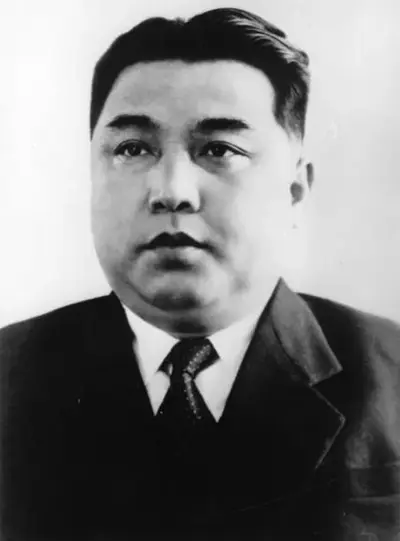
Kim Il-sung was a politician and the founder of North Korea, which he ruled from the country's establishment in 1948 until his death in 1994. He held the posts of Premier from 1948 to 1972 and President from 1972 to 1994. He was also the leader of the Workers' Party of Korea (WPK) from 1949 to 1994 (titled as Chairman from 1949 to 1966 and as General Secretary after 1966). Coming to power after the end of Japanese rule in 1945, he authorized the invasion of South Korea in 1950, triggering an intervention in defense of South Korea by the United Nations led by the United States. Following the military stalemate in the Korean War, a ceasefire was signed on 27 July 1953. He was the third longest-serving non-royal head of state/government in the 20th century, in office for more than 45 years.
