Dmitri Trenin Quotes
After the collapse of the Soviet Union, the Russian military rotted away. In one of the most dramatic campaigns in world history, from 1988-1994, Moscow's armed forces shrank from 5 million to 1 million personnel.
Dmitri Trenin "The Revival of the Russian Military" Foreign Affairs, May June, 2036
Sourced by: Eigen's Political and Historical Quotations


June 1941 was the date that Nazi Germany invaded Russia.


3 years later he led America on a huge invasion and nation building project in Iraq. It turned out that had he listened to his own advice and not flip-flopped, the huge cost of the Iraq War might have been avoided.


In this case, the Speaker of the House attacked the President of his own party for being willing to conduct disarmament discussions with the Russians. He implied that the outcome could be the appeasement of the Russians just as British Prime Minister Neville Chamberlain appeased Hitler in 1938 in Munich, giving the German Fuhrer the “green light” to take over Europe. The Conservative Caucus went even further and explicitly called it “appeasement”. Reagan however always talked about military strength and power, and provided plenty of money for the military and weapons a few of which were boondoggles but he was a very cautious American president in authorizing military force. And he not only was willing to discuss arms control and reductions and enter into treaties for disarmament, much to the distress of the hawks of his own party. Few American Presidents have so well balanced the use of diplomacy with the threat of military force as well as Reagan.


Goldwater had predicted that the LBJ campaign would attack him for some of his warlike and aggressive statements and try and depict him as someone not responsible enough for the Presidency. He was personally convinced that his hard line policies would inhibit Russian aggression. He prepared this and other ads, but the voters were not persuaded and Goldwater was trounced.

1st Earl Baldwin of Bewdley. Baldwin has been castigated since WWII for being part of the “appeasement group” in England. As Prime Minister in 1935 he would not face the threat of Fascism, Germany and the Nazis and did not initiate a major arms buildup. Churchill, among others, never forgave him. See {626930} for Churchill’s view of Baldwin.

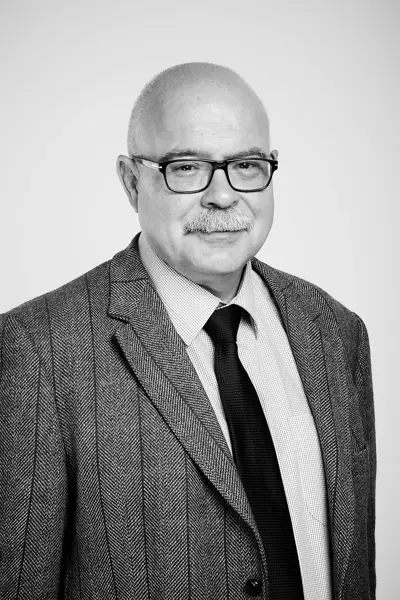
Dr. Dmitri Vitalyevich Trenin, PhD (Russian: Дмитрий Витальевич Тренин, born 1955) is the director of the Carnegie Moscow Center, a think tank and regional affiliate of the Carnegie Endowment for International Peace. A former colonel of Russian military intelligence, Trenin served for 21 years in the Soviet Army and Russian Ground Forces, before joining Carnegie in 1994
