Francis J. Grimke Quotes
A pretty good test of a man's religion is how it affects his pocketbook.
Grimké, Francis J. The Works of Francis J. Grimké. Edited by Carter G. Woodson, vol. 3, The Associated Publishers, 1942.


The communal support of scholarship was common in the Middle East in both Muslim and Jewish communities.
The level of religious charity would be impressive for modern times. It is a marvelous insight into 14th Century Damascus.

He argued that the clergy should cease to own lands and peasants and that bishops and the Pope should give up their temporal power. He was labeled a heretic for these views.

Clerics of the age were often combinations of fund raisers and tax collectors.

Rio Tinto wanted to reopen a copper mine in Arizona. This would create many jobs for Apache Indians on the San Carlos Reservation. However, the proposal involved a complicated land swap whereby the Federal Government would cede some land to Rio Tinto. The land to be transferred was considered sacred ground by many Apaches who did not want it turned over to Rio Tinto or any company. The swap would offend their religion according to some. The Congresswoman tried to mediate.

For many religions and ethical systems, it is better to have personal contact with the recipient of charity than to give money.

William Cromwell had sent a $50,000 check to Taft’s Campaign. That would be the equivalent of more than $1 million in year 2000 money. He instructed the campaign manager to return the check. President Theodore Roosevelt thought Taft was being too principled and urged him to accept the money. See {640688} for Taft’s reply. Taft finally compromised between Roosevelt and his conscience, and took only $10,000.


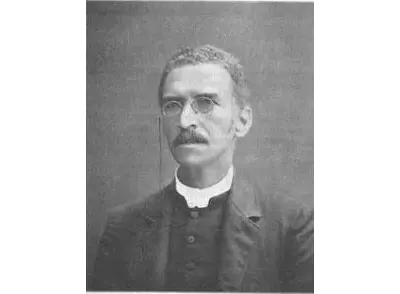
Francis James Grimké was an American Presbyterian minister in Washington, DC. He was regarded for more than half a century as one of the leading African-American clergy of his era and was prominent in working for equal rights. He was active in the Niagara Movement and helped found the National Association for the Advancement of Colored People (NAACP) in 1909.
