Edward G. Bulwer-Lytton Quotes
You ought not in a free country to lay a tax on the expression of political opinion.
Arguing for the abolition of taxes on newspapers: 1st Baron Lytton of Knebworth
Edward G. Bulwer-Lytton, 1803-1873, Novelist & Bitish Colonial Secretary (Conservative), 1868
Sourced by: Eigen's Political and Historical Quotations


Written when only a teenager.


Bruce is one of the few American Comedians to so offend the political establishment that he was constantly legally harassed throughout his career. He was actually criminally convicted in New York for obscenity. In 2003 he was posthumously pardoned by the New York Governor, the first posthumous pardon in state history.


The President was reacting to a chain of vents whereby Sony Entertainment produced a satiric movie which offended the leadership of North Korea who condemned, threatened and may have launched a cyberattack on Sony. That company reacted by withdrawing the movie and the President thought that was a mistake despite the fact that there were threats against theaters showing the movie and people attending the showings.


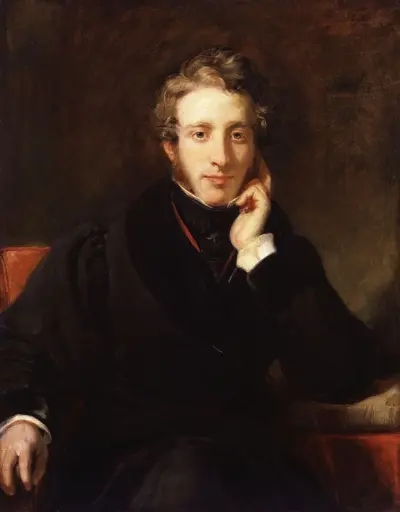
Edward George Earle Lytton Bulwer-Lytton, 1st Baron Lytton, PC was an English writer and politician. He served as a Whig member of Parliament from 1831 to 1841 and a Conservative from 1851 to 1866. He was Secretary of State for the Colonies from June 1858 to June 1859, choosing Richard Clement Moody as founder of British Columbia. He declined the Crown of Greece in 1862 after King Otto abdicated. He was created Baron Lytton of Knebworth in 1866. He coined the phrases "the great unwashed", "pursuit of the almighty dollar", "the pen is mightier than the sword", and "dweller on the threshold", and the opening phrase "It was a dark and stormy night." Yet his standing declined and he is little read today. The sardonic Bulwer-Lytton Fiction Contest, held annually since 1982, claims to seek the "opening sentence of the worst of all possible novels".
