Robert Reich Quotes
When the President decides to go to war, he no longer needs a declaration of war from congress.
Reich, Robert B. "The Dirty Little Secret." The American Prospect, 1999.


When the Senate was debating the Gulf of Tonkin Resolution, which would empower the President to take "all necessary measures" to repel any armed attack on U. S. forces, Senator Morse was one of only two Senators opposing the resolution:


The president did not act purely on his own. The operation in Libya was a NATO operation, not a U. S. operation. All NATO countries unanimously approved the enforcement of the No Fly zone and it was approved by the Security Council of the United Nations, Technically the operation was not war. NATO and the United States was asked to support the no fly zone by the Government of Libya which we and the other countries all recognized at the time. However, since the later part of the 19th century, America has debated exactly who and under what conditions can commit U. S. Troops to hostilities. The prerogatives of Congress in the war powers debate have eroded to the Presidency in the last 2 centuries and some, like Paul feel that the older balance should be restored.


In 1949 the NATO treaty was signed. There was concern that a phrase in the treaty authorizing signatories to take "such action as it deems necessary, including the use of armed force" would undermine Congress's powers:

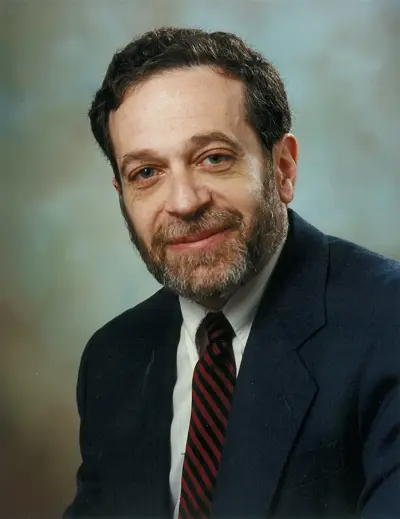
Robert Bernard Reich is an American economist, professor, author, and political commentator. He served in the administrations of Presidents Gerald Ford and Jimmy Carter, as well as serving as the United States Secretary of Labor from 1993 to 1997 under Bill Clinton. He was a member of President Barack Obama's economic transition advisory board.
