Ambrose Bierce Quotes
When I see an idiot in high station I will add such terrors to his elevation as I can. I will put as many thorns in his crown as the leisure that I can snatch from the pressure of other pleasures will permit me to weave in; and neither the deprecation of his friends nor his own retaliatory lies shall stop the good work.
Ambrose Bierce, 1842-1914?, Journalist & Political Columnist, Wasp, January 13, 1883
Sourced by: Eigen's Political and Historical Quotations

Haldeman had actually called the network executives on several occasions regarding Cavett’s show. Nixon was particularly furious when Cavett interviewed John Kerry, the decorated soldier who had thrown his medals away in protest to the handling of the Vietnam War. Nixon wanted some stronger actions taken.


Until the 20th century almost all American political media were shamelessly and overtly biased—left or right. Political Parties had their own de facto publications much like Fox News became for the Republicans in the 21st century. In the 20th century journalism developed into a profession that evolved standards of objectivity in reporting. That norm then prevailed for about 70 years. With the extreme polarization of the later years of the 29th Century the right wing began to accuse much of the media of a left wing bias, and the media tended to react as Krugman describes in this quotation. The model of having spokespersons for “each side” of an issue works for highly subjective political preferences with a two party system, but where it broke down is with scientific and technical issues. On these, there often really are not two scientific points of view, but there is a scientific consensus of the vast majority of scientists and almost all the prestigious and accomplished scientists are in accord. However, there may be some who have a cultural, religious and/or political concern for some science and its implications for society. They in turn find a scientist or two, often one who is unaccomplished and not recognized in the scientific field to argue a different point of view. The media have tended to equate the two and have a “debate” as if there were two sides to the science when there are not. These issues tend to cluster around scientific medical issues involving sex and birth control methods, environment and conservation, evolution, the age of the earth and the method of creation of the universe. The problem is particularly exacerbated by the general scientific illiteracy of the American population and the relatively few journalists who themselves are scientifically literate who can explain scientific issues well.

See {639177}.for part of the article. Platt even demanded of President Roosevelt that the Journalist, White, be barred from the White House. Actually White was a very good friend of Roosevelt’s and generally agreed with White’s assessment of Platt.


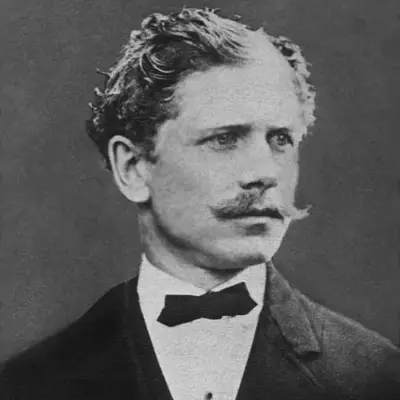
Ambrose Gwinnett Bierce was an American short story writer, journalist, poet, and Civil War veteran. His book The Devil's Dictionary was named as one of "The 100 Greatest Masterpieces of American Literature" by the American Revolution Bicentennial Administration. His story "An Occurrence at Owl Creek Bridge" has been described as "one of the most famous and frequently anthologized stories in American literature"; and his book Tales of Soldiers and Civilians (also published as In the Midst of Life) was named by the Grolier Club as one of the 100 most influential American books printed before 1900.
