Vera Lynn Quotes
When I left school at 14, I thought I had better get a job. I got one in a factory where I sewed on buttons. It was so boring and we weren't allowed to talk or sing. I lasted a day.
Lynn, Vera. Some Sunny Day: My Autobiography. HarperCollins, 2009, p. 24.


He called attention to the relationship between the poverty living conditions, sanitation, and the outbreak of cholera in the Manchester Cholera epidemic of 1832. He went on to advocate shorter working hours, better sanitation, and education for the mill workers.

He in that same year then persuaded sympathetic MP, John Hobhouse, to introduce the first bill into the House of Commons regulating child labor in the mills. Considered radical in its day, forbade employment of children under the age of 9 from working in the mills, and then limited the hours that children from 9 to 18 to 12 hours a day. The bill was rejected with the same claims that have been made regarding child labor reform attempts ever since. It would slow growth, harm the economy, exacerbate the poverty of poor families and interfere with the parents right to bring up their children. It was not until after his death in 1861 that meaningful child labor laws were passed for the British mills.


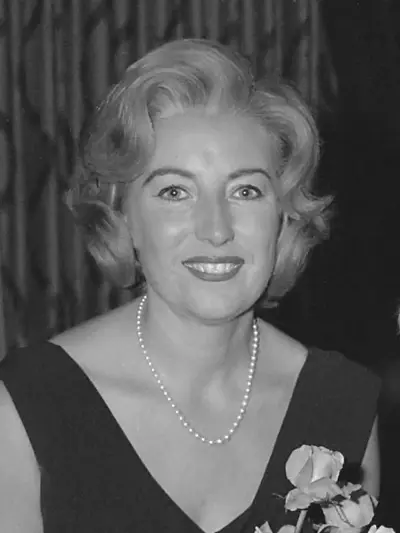
Dame Vera Margaret Lynn CH DBE OStJ was an English singer, songwriter and entertainer whose musical recordings and performances were very popular during the Second World War. She was widely referred to as the "Forces' Sweetheart" and gave outdoor concerts for the troops in Egypt, India and Burma during the war as part of Entertainments National Service Association (ENSA). The songs most associated with her are "We'll Meet Again", "(There'll Be Bluebirds Over) The White Cliffs of Dover", "A Nightingale Sang in Berkeley Square" and "There'll Always Be an England".
