Richard N. Haass Quotes
When great powers fade, as they inevitably must, it's normally for one of two reasons. Some powers exhaust themselves through overreach abroad, underinvestment at home, or a mixture of the two. This was the case for the Soviet Union. Other powers lose their privileged position with the emergence of new, stronger powers.
Haass, Richard N. Foreign Policy Begins at Home: The Case for Putting America's House in Order. Basic Books, 2013, p. 11.


Patton was a great fighting general, but a disaster at civilian and public relations. At a time when the American and British governments were arguing that their involvement in world war two was for the benefit and protection of mankind, Patton made public statements like this one.


At the end of WWII there was much tension between Russia and the Anglo-American alliance. This plan was developed but never implemented. See {613195} for Prime Minister Winston Churchill’s description of the invasion idea.

After the economic & power collapse of the Soviet Union, the United States was the only remaining superpower. Givern Russia's diminshed capability and many Americans still carrying resentments about the Cold War, America's foreign policy and diplomacy did not treat Russia as if they were a very important power in the world. Puten greatly resented the fact that Russia was no longer considered or treated like a world power, Russia had a nuclear arsenal and a total delivery system what was in the same destructive potential class as the United States. There were many Russiabs who had similar resentments and Putin sert out to adopt policieis and practices that would force the United States and the other nations to consider them with more dignity, respect and consdideration. This was a typical statement of the period when he was "stoking the fires of Russian resentment.


This was an incredible prediction with no other world leader thinking it possible for decades until that is exactly what happened.

This was the 14th part of the Japanese reply to a previously made American peace proposal. The Japanese policy was to unite all of Asia into a co-prosperity sphere controlled by Japan where Japan would militarily conquer those Asian countries which did not “voluntarily” want to join. The Japanese were in the process of conquering China and the United States and Britain had embargoed oil and other material to Japan trying to pressure them to withdraw their troops from China and cease Japanese conquest by force. Japan believed that it was their right to conquer and control Asia and it was beneficial to the region, and that the U. S. and Britain had no right to curtail the expansion that Japan required to assure raw materials and other necessities. At the very time that these negotiations were on going, the Japanese fleet was sailing for the sneak attack on Pearl Harbor. The attack took place the very day this part of the Japanese reply was received.

Truman had to deal with Stalin for many years. In earlier days he had a much more favorable view of the Russians. See {626410} for his view 22 years earlier.

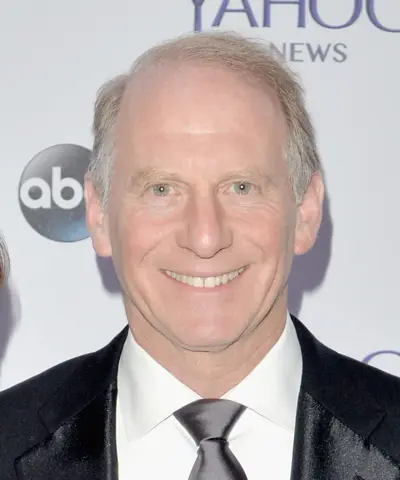
Richard Nathan Haass is an American diplomat. He has been president of the Council on Foreign Relations since July 2003, prior to which he was Director of Policy Planning for the United States Department of State and a close advisor to Secretary of State Colin Powell.
