Gregor Strasser Quotes
We must take from the right nationalism without capitalism and from the left socialism without internationalism.
Gregor Strasser, 1892-1934, Politician of the German Nazi Party, Quoted in Stanislav Andreski, Wars, Revolutions, Dictatorships
Sourced by: Eigen's Political and Historical Quotations

Although the Nazis railed against the Communists & Socialists, the potential opposition they feared the most was the middle class. See also {582966}.

Although the Nazis railed against the Communists & Socialists, the potential opposition they feared the most was the middle class. See also {582967}.


Often called Blackshirts. He is one of the few politicians in the world who saw Fascists and Nazis in the middle of the political spectrum.


Over the years, despite many efforts to unify workers of the world, most were much more focused on their own country. In this sense, Mussolini who was so wrong about most political things, may have been right in this instance.


The Red Scare had already reached most conservatives and Truman and most others had not yet been affected by the fear of Communism that so many people had through the 1970s.


This platform was not very different from those of many democratic political parties at the time. It was on this sort of basis that the German Nazis were elected. However the last sentence of this quotation turned out to be the undoing of the German people and most other people throughout Europe. The “common good” always was interpreted to be the good of the Nazi government which had been elected as against the individual god—the rights of the individual. Soon the state had all the rights and individuals, none. And no other political force could contest and election as that was not in the interest of the common weal.
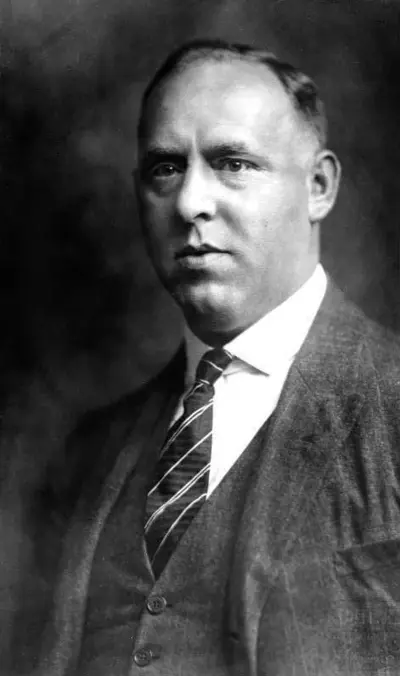
Gregor Strasser was an early prominent German Nazi official and politician who was murdered during the Night of the Long Knives in 1934. Born in 1892 in Bavaria, Strasser served in World War I in an artillery regiment, rising to the rank of first lieutenant. He joined the Nazi Party (NSDAP) in 1920 and quickly became an influential and important figure. In 1923, he took part in the abortive Beer Hall Putsch in Munich and was imprisoned, but released early for political reasons. Strasser joined a revived NSDAP in 1925 and once again established himself as a powerful and dominant member, hugely increasing the party's membership and reputation in northern Germany. Personal and political conflicts with Adolf Hitler led to his death in 1934 during the Night of the Long Knives.
