Algernon Sidney Quotes
We live in an age that makes truth pass for treason.
The American Founding Fathers were aware of Sidney and others who were executed for what they said about the King and the government. Hence, the First Amendment. However, John Adams passed the Alien and Sedition Acts which turned criticism into treason. It was repealed later and would probably have been declared unconstitutional if it had not been repealed. However, during the First World War, critics were also jailed. Eugene Debs, a Presidential Candidate, served several years in jail until pardoned. He had opposed the war and the Draft of soldiers. Freedom of Speech and Treason have been in contention whenever the nation might be at war or in a crisis. Supreme Court decisions may have put an end to future American censorship efforts of this kind.
Algernon Sidney, 1622-1683, British Republican & Member of Parliament, Speech delivered on his execution scaffold, December 7, 1683
Sourced by: Eigen's Political and Historical Quotations


Theodore Roosevelt was the Presidential nominee. See {634097} and {585962}--Samuel Johnson, for a 1758 version of this idea.


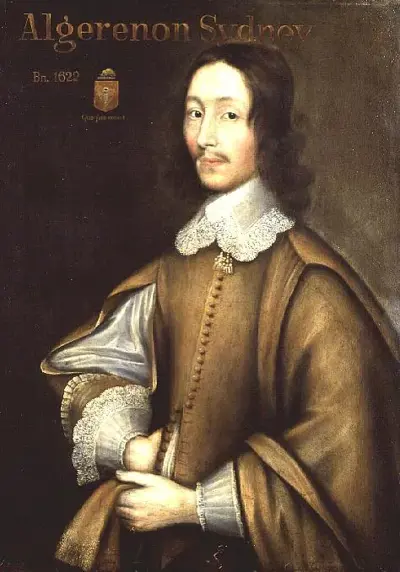
Algernon Sidney or Sydney was an English politician and member of the middle part of the Long Parliament. A republican political theorist, colonel, and commissioner of the trial of King Charles I of England, he opposed the king's execution. Sidney was later charged with plotting against Charles II, in part based on his most famous work, Discourses Concerning Government, which was used by the prosecution as a witness at his trial. He was executed for treason. After his death, Sidney was revered as a "Whig patriot–hero and martyr".
