Robert Graves Quotes
To know only one thing well is to have a barbaric mind: civilization implies the graceful relation of all varieties of experience to a central humane system of thought. The present age is peculiarly barbaric: introduce, say, a Hebrew scholar to an ichthyologist or an authority on Danish place names and the pair of them would have no single topic in common but the weather or the war (if there happened to be a war in progress, which is usual in this barbaric age).
Graves, Robert. Occupation: Writer. Creative Age Press, 1950.


Bush had advised FDR to go ahead with the research and development program to try and develop an atomic bomb. He was the only Government Official who Roosevelt discussed the idea with. At the time, Bush as a government official supervised and directed many thousands of scientists, and was one of just a few scientists who monitored and advised on the Manhattan Project to develop the Bomb. Here he is one of the first people to notice, understand and articulate the dilemma of specialization in science. To the degree it was a problem in 1945, it became a geometrically greater problem 65 years later satellites were capturing more high resolution of the universe every week than all the astronomers in the world could examine in a year. Ironically, Bush called for a type of precursor to the Internet to cope with this problem which the Internet helped with. Using computers to observe and analyze the many images helped much but all of science became weighed down with this problem of specialization and the explosion of knowledge.


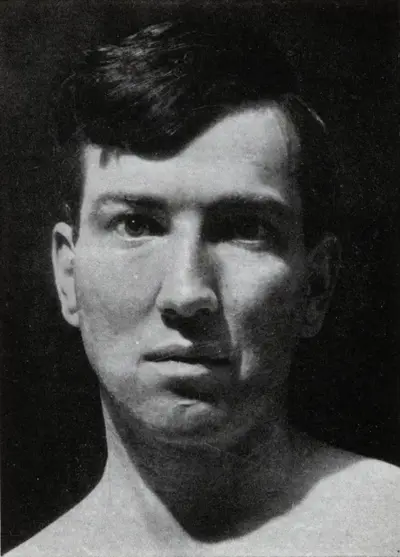
Robert von Ranke Graves was a British poet, historical novelist, critic, and classicist. His father was Alfred Perceval Graves, a celebrated Irish poet and figure in the Gaelic revival; they were both Celticists and students of Irish mythology. Graves produced more than 140 works in his lifetime. His poems, his translations and innovative analysis of the Greek myths, his memoir of his early life—including his role in World War I—Good-Bye to All That, and his speculative study of poetic inspiration, The White Goddess, have never been out of print.
