William O. Douglas Quotes
The right to dissent is the only thing that makes life tolerable for a judge of an appellate court... the affairs of government could not be conducted by democratic standards without it.
William O. Douglas, 1898-1980, U.S. Supreme Court Justice, Chairman, Security & Exchange Commission, America Challenged, 1960
Sourced by: Eigen's Political and Historical Quotations

He was writing on behalf of a VA nurse who had been accused of sedition for publicly criticizing the government. See {589454}.


He was considered Massachusetts’ greatest Colonial orator. In almost every war or other national crisis every country’s government generally tries to expand its powers to act without the review of courts, and to claim that because of the necessity many laws should not even apply.


Nixon’s views of free speech rights did not recognize the right of those who advocate revolution or government or system change in America. By his standard all of the Founding Fathers should not have been entitled to most of their early speeches. The Supreme Court repeatedly rejected his standard, distinguishing between speech to change or reform the government and illegal action to bring those changes about.


This was written during the George W. Bush Administration where the reaction to 9-11 was to curtail some civil rights and constitutional protections in favor of more national security. Bush was not the only President who eroded civil rights in a fear for National Security. FDR interned the Japanese Americans. Woodrow Wilson jailed pacifists who protested against the draft. John Adams passed the infamous Alien & Sedition Acts.


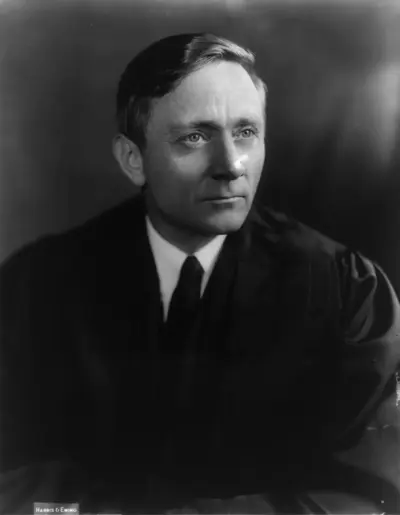
William Orville Douglas was an American jurist and politician who served as an associate justice of the Supreme Court of the United States. Nominated by President Franklin D. Roosevelt, Douglas was confirmed at the age of 40, one of the youngest justices appointed to the court. His term, lasting 36 years and 211 days (1939–75), is the longest in the history of the Supreme Court. In 1975, Time magazine called Douglas "the most doctrinaire and committed civil libertarian ever to sit on the court."
