Henry Adams Quotes
The President [Madison] could no more prevent white settlers from selling liquor to the Indians than he could prevent the Wabash from flowing.
Henry Adams, 1838-1918, Historian, History of the United States of America during the Administrations of James Madison
Sourced by: Eigen's Political and Historical Quotations


This is one of the first Policy Statements of the new Republic about the Indians. Essentially, although the government policy was reasonable and fair, public opinion was totally different and the leadership could not persuade the people on this point. One complicating factor was the fact that most of the Indian tribes had overtly or covertly sided with the British in the Civil War. Many Indians were exiled to Canada. Even the Indians who were American allies, had their lands encroached upon however.

Published 100 years after it was written. This is the first known written statement of what became a de facto policy regarding the American Indian.
In 1830, President Andrew Jackson, institution one of the most unjust, immoral and outrageous policies in all of American history. He ordered that all the Indians of the Southeast, be forcibly evicted from their lands—including those protected by treaties—and at gunpoint marched by the military to the Oklahoma territory, where they were in effect jailed in reservations that were generally far inferior to the lands from which they were forced. No sooner had the ethnic cleasing of the South East been complete, than the whites took the Indian lands without paying the Indian owners at all.

Wayne played so many parts depicting whites in the process of expanding Westward that many people saw him as an expert on the history of the Westward Expansion. He did not comment on the whites who then kept huge ranches “selfishly” for themselves or those who selfishly would not share the mineral rich land that they had taken with anyone including the original Indian owners. So in this view, the Indians should have not been capitalists but they should have been socialists and shared their resources.

Samuel Langhorne Clemens, 1835-1910. The Congressmen who voted for Prohibition in the next century had not read or believed this quotation of Twain’s.

Carson was one of the few Indian Agents who spent every penny of his budget on the Indians as opposed to himself. He was married to an Indian woman and was close enough to many Indians that he understood their resentment whenever they came into a town. They were treated terribly and while most of them were literally starving, seeing the white opulence produced resentment.


The first Native American to become a General Officer. Appointed by President Grant in 1869


This law governed the territories outside of the original 13 colonies. The intentions of the founding fathers and the first Congress to the Indians was fair and honorable. However, there was no practical way that the new Federal Government could enforce this principle in the territories. A single greedy land speculator or trader could abuse a group of Indians and start a small war. The vast cultural differences between Indians and whites tended to polarize all violent conflicts regardless of who was at fault. The different perceptions of cruelty and atrocities further pushed the government to defend whites violating national policy and there was sufficient corruption and money to be made on Indian land and trading and things went downhill fast.

This method of substance abuse prevention represents what scientists now call “environmental prevention” where instead of dealing with individual alcoholics the environment is altered to reduce the likelihood of developing fewer alcohol-related problems. Almost every state uses Locke’s principle and regulates the number of liquor outlets in any most areas. Those communities which have a very high density of bars and liquor stores tend to have more alcohol-related violence. The riots of the Watts area of Los Angeles in the late 20th century took place in one of the highest densities of liguor stores in the country.
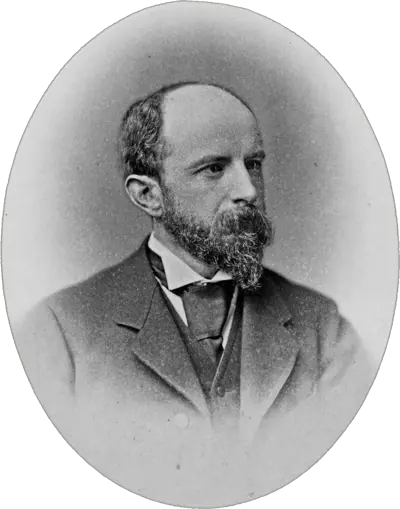
Henry Brooks Adams was an American historian and a member of the Adams political family, descended from two U.S. Presidents.
