Theodor Mommsen Quotes
The power which the Hellenes and even the Italians possessed, of civilizing and assimilating to themselves the nations susceptible of culture with whom they came into contact, was wholly wanting in the Phoenicians.
Mommsen, Theodor. The History of Rome, Vol. 2. Translated by William P. Dickson, Charles Scribner's Sons, 1895, p. 131.


Albert succeeded his dead uncle, Leopold, whose Belgian Congo colonization was particularly rapacious. His statement was a signal that the colonial abuses were to stop.


In 1898 the President was faced with a great dilemma in the Philippines. Giving the islands back to Spain after the war was unthinkable. Germany and France were waiting to step in. Self government was viewed as impractical, given the state of affairs at the time. The President decided to take the islands.

This is a very interesting quotation because it shows that the South American Indians were not only the victims of Spanish colonialism, but before Europeans ever set foot in the New World, expansionism, conquest and colonialism was alive and well. It was just that one Indian people imposed it on others. Note also the techniques of sending colonists to the new colonies to “civilize” the conquered peoples. Although this was common in Western History (even Alexander the Great used it, it was independently created as a colonial technique in the New World. The most extensive use of this technique was used by the Russians as that expanded to the Soviet Union the consequences of which we see in ethnic strife in the Balkans and the Ukraine even into the 21st century. Often these colonists were used as spies as well, in Peru {641657} as in all the Western examples.


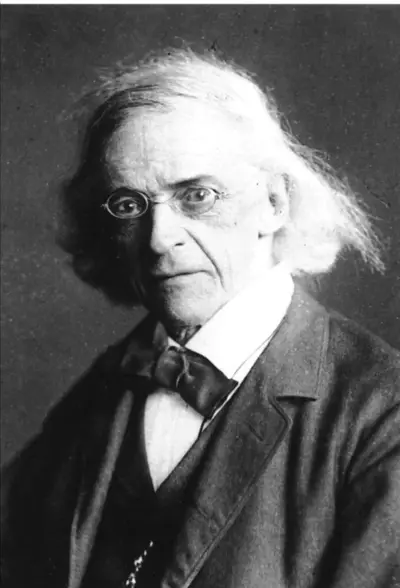
Christian Matthias Theodor Mommsen was a German classical scholar, historian, jurist, journalist, politician and archaeologist. He is widely regarded as one of the greatest classicists of the 19th century. His work regarding Roman history is still of fundamental importance for contemporary research. He received the Nobel Prize in Literature in 1902 for being "the greatest living master of the art of historical writing, with special reference to his monumental work, A History of Rome", after having been nominated by 18 members of the Prussian Academy of Sciences. He was also a prominent German politician, as a member of the Prussian and German parliaments. His works on Roman law and on the law of obligations had a significant impact on the German civil code.
