Pedro de Cieza de Leon Quotes
‘Mitimaes’ is the name of those who are transported from one land to another. The first kind of mitimaes, as instituted by the Incas, were those who were moved to another country after a new province had been conquered… There they were expected to instruct their neighbors in the ways of peace and civilization.
This is a very interesting quotation because it shows that the South American Indians were not only the victims of Spanish colonialism, but before Europeans ever set foot in the New World, expansionism, conquest and colonialism was alive and well. It was just that one Indian people imposed it on others. Note also the techniques of sending colonists to the new colonies to “civilize” the conquered peoples. Although this was common in Western History (even Alexander the Great used it, it was independently created as a colonial technique in the New World. The most extensive use of this technique was used by the Russians as that expanded to the Soviet Union the consequences of which we see in ethnic strife in the Balkans and the Ukraine even into the 21st century. Often these colonists were used as spies as well, in Peru {641657} as in all the Western examples.
Pedro de Cieza de Leon, Spanish conquistador and chronicler of Peru, Chronicles of Peru, 1550
Sourced by: Eigen's Political and Historical Quotations

The Incas had an amazing mail delivery system like the Pony Expess but with runners. They had the fastest mail delivery system in the entire world and it was then faster than many modern systems in the 21st century. So the Inca received the intelligence of what was being said within a day or two, a much better centralized intelligence system than most.

First Published American Indian Author


This quotation is often used as the greatest evidence the white usurpation of Indian land and the dubious value of all the treaties that had been made with the Indians guaranteeing them specific lands. Jackson, however, was not completely accurate. The Iroquois who fought on the American side in the Revolution were still on their lands in New York State. However, the Iriquois had their dealings with the State and local governments, and fared better than those tribes that depended in the Federal Government—especially with racists like Jackson in the Presidency.


Some Mexicans have always resented the U. S. for “colonizing” Arizona and other territory that once belonged to Mexico. This quotation is very revealing concerning the reality on the ground. The Apache were on the land when the Mexicans moved in to “civilize” the territory. However, the Apache, by violence, drove the Mexicans out. At that point the Mexicans were happy to sell Arizona to the Americans and the Gadsden Purchase brought Arizona to the United States as a territory. The Americans however didn’t buy the land from the Apache, the owners before the Mexicans claimed it. Many Apaches continued the violence against whoever tried to settle in the area. Eventually, the Americans accomplished what the Mexicans did not—militarily subduing the Apache.


- Born:
- Died: July 2, 1554
- Nationality: Spanish
- Profession:
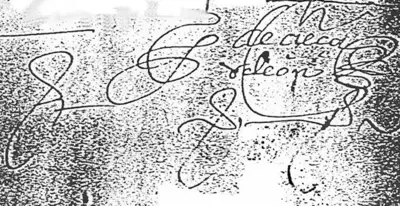
Pedro Cieza de León was a Spanish conquistador and chronicler of Peru. He is known primarily for his history and description of Peru, Crónicas del Perú. He wrote this book in four parts, but only the first was published during his lifetime; the remaining sections were not published until the 19th and 20th centuries.
