H. L. Mencken Quotes
The liberation of the human mind has never been furthered by dunderheads; it has been furthered by gay fellows who heaved dead cats into sanctuaries and then went roistering down the highways of the world, proving to all men that doubt, after all, was safe - that the god in the sanctuary was finite in his power and hence a fraud. One horse-laugh is worth ten thousand syllogisms. It is not only more effective; it is also vastly more intelligent.
Mencken, H. L. Prejudices: Fourth Series. Alfred A. Knopf, 1924, p. 196.


Alvarez was one of the key physicists who developed the atom bomb and was the scientist selected to accompany the plane bombing Hiroshima. There was considerable friction in the Manhattan Project development of the bomb between the scientists and the military.

3rd Earl Russell of Kingston. He arrives at the same place as Spinoza did in the 17th century although his reasons are different.

This is a modern summary of the philosophy of Benedict Spinoza who developed the modern philosophical foundation of science and scientific thinking. When the authorities are clerics and religious leaders, their authority gets undermined which is why the Jews, Christians, and Muslims all excommunicated Spinoza. For the scientists, they themselves are to be rejected as determiners of knowledge and truth so they tend to do poorly in political disputes because the good scientists would never assert a belief that the politicians should listen to them just because they are great scientists and they “know.” It is the ideologues and junk scientists who are sure of their testimony and can advise with certainty. See linked quote(s).


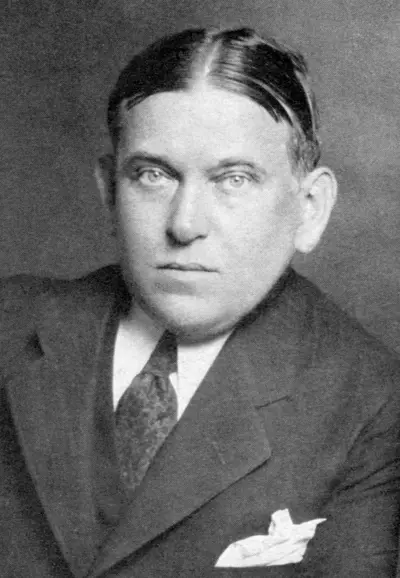
Henry Louis Mencken was an American journalist, essayist, satirist, cultural critic, and scholar of American English. He commented widely on the social scene, literature, music, prominent politicians, and contemporary movements. His satirical reporting on the Scopes Trial, which he dubbed the "Monkey Trial," also gained him attention.
