William Murray Quotes
The [English] constitution does not allow reasons of state to influence our [the judges] judgement. God forbid that it should. We must not regard political consequences, however formidable they may be.
1st Earl of Mansfield
William Murray, 1705-1793, Lord Chief Justice of England, Rex v. Wilkes, 1770
Sourced by: Eigen's Political and Historical Quotations

"Let justice be done, though the heavens fall." This quotation, usually in Latin, is inscribed on several courthouses throughout the country. 1st Earl of Mansfield


This document was a type of Magna Carta but far earlier.


The Senate was investigating a scandal where the George W. Bush White House had induced the Attorney General, Alberto Gonzalez, to fire 8 of their own political U. S. Attorney appointments because they had or were investigating/prosecuting Republican politicians for corruption or not prosecuting Democrats vigorously enough. Gonzalez took the responsibility for the firings but did “not remember” why each had been fired nor was there any record in the Justice Department indicating any shortcoming with their jobs. The White House political operatives refused to testify under oath citing “Executive Privilege.”

He served on a Supreme Court that was as close to political as any had ever been. Hence his great concern.

The notion of lifetime appointment for federal judges had been debated before and during the constitutional convention. The founders wrote it into the constitution to give the judges more security so that they could not be pressured by politicians or wealthy individuals. Also, without this concept many countries have judges who are just rubber stamps for the legislature or the leader of the country.


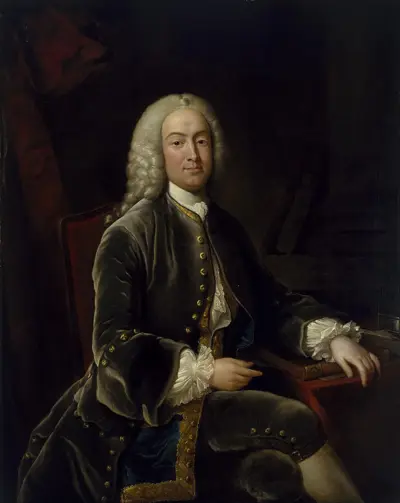
William Murray, 1st Earl of Mansfield, PC, SL was a British barrister, politician and judge noted for his reform of English law. Born to Scottish nobility, he was educated in Perth, Scotland, before moving to London at the age of 13 to take up a place at Westminster School. He was accepted into Christ Church, Oxford, in May 1723, and graduated four years later. Returning to London from Oxford, he was called to the Bar by Lincoln's Inn on 23 November 1730, and quickly gained a reputation as an excellent barrister.
