Ellen G. White Quotes
The colored people should not urge that they be placed on an equality with white people.
See {618215} for a seemingly contradictory quotation by White.
Ellen G. White, 1827-1915, Founder of the Seventh Day Adventists, Quoted in Roy Branson, Ellen G. White: Racist or Champion of Equality?
Sourced by: Eigen's Political and Historical Quotations

See {618216} for a seemingly contradictory quotation by White.

Eight years and a Civil War later, he had changed his mind and was the sponsor of the Civil Rights Act of 1866—the first Federal civil rights law in America. See {587711}.


In a campaign speech in Charleston, Illinois where there were a large proportion of settlers of Southern extraction he said the following which was at variance with sentiments he had expressed weeks before in a speech in Chicago:
Charleston was in the Southern part of the state where most people supported slavery. Douglas made an unequivocal pitch for the racist vote {600060} and forced Lincoln to take a stand. Like many politicians today, Lincoln decided to give the audience what they wanted to hear. It is not clear whether or not he ever believed this statement or was just pandering in a political campaign. He had never said this in the Northern part of the state of before. Lincoln’s views on race changed and matured over the years, culminating in the Emancipation Proclamation. Lincoln lost the Senate seat to Douglas.


Many fighters for civil rights split from the majority of the Black leadership over racial preferences for affirmative action.


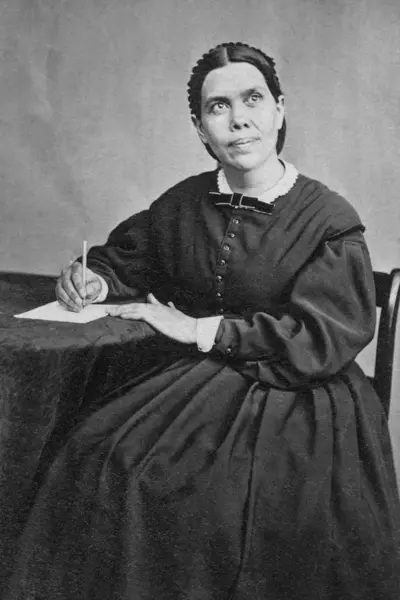
- Born: November 26, 1827
- Died: July 16, 1915
- Nationality: American
- Profession: Author Co-founder Seventh-day Adventist Church
Ellen Gould White was an American author and co-founder of the Seventh-day Adventist Church. Along with other Adventist leaders such as Joseph Bates and her husband James White, she was instrumental within a small group of early Adventists who formed what became known as the Seventh-day Adventist Church. White is considered a leading figure in American vegetarian history. The Smithsonian magazine named Ellen G. White among the "100 Most Significant Americans of All Time." White's writings still influence people today.
