Karl Liebknecht Quotes
The aim of my life is the overthrow of monarchy.


He was in a Turkish Prison when he made this statement. Some of his more militant PKK followers rejected the statement assuming that it was coerced. Most agreed and were tired of a fight against an overwhelmg Turhish military and police. However the PKK militsntd, devclsred terrorists by the US and many other nations, killed 40,000 Turks including many Kurds who are and have been an ethnic minority in Turkey who have been treated very badly..

In most revolutionary settings leaders have to persuade people who have voted with no success to turn to the rifle. In Ireland at this point, almost all the nationalsits knew that the rifle would help them but they were not sure that a vote would have the effect of a bullet.


Many hard line communists were very angry with this directive. The Italian communists were major leaders of the anti-Fascism movement and were better armed and organized than other anti-Fascists. They thought that this was a good opportunity, under the guise of anti-fascism to gain control all the other political forces in Italy. Togliatti, in contrast, strove for a national unity movement overthrow the fascist government of Italy without massive death and casualties. His choice of an effort of anti-fascist unity, made the transition relatively bloodless, and was not forgotten by the non-communist, non-fascist Italian politicians. After communism was banned in many of the other Western European governments, Italian political leaders allowed the Communists to be a part of the political system, and while the communists have never been popular enough to form a government, they have been a part of Italian politics ever since.


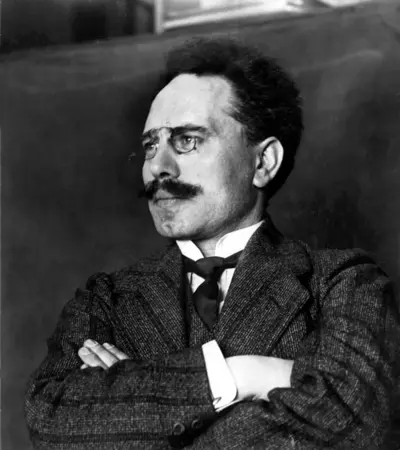
Karl Paul August Friedrich Liebknecht (German: [ˈliːpknɛçt] (listen); 13 August 1871 – 15 January 1919) was a German socialist politician and theorist, originally of the Social Democratic Party of Germany (SPD) and later a co-founder with Rosa Luxemburg of the Spartacist League and the Communist Party of Germany, which split from the SPD after World War I. He is best known for his opposition to the war in the Reichstag and his role in the Spartacist uprising of January 1919. The uprising was crushed by the SPD government and the Freikorps (paramilitary units formed of World War I veterans), which summarily executed Liebknecht and Luxemburg.
