PALMIRO TOGLIATTI
(Palmiro Michele Nicola Togliatti)
This is an example of what made the Cold War so difficult. The Italian Communists had great misgivings about the Russian version of Communism that tended to abuse human rights and try and control other countries. However, when the Russian Communists were under world attacks by the West, as with their incursion into Hungary, he urged that all the Communists stick together and defend the Russians even for policies that they thought wrong. On the West side, the same thing occurred. The United States tolerated and supported a number of terribly oppressive dictatorships that were virulently anti-Communist. Polarization was the international norm.
This memo was written a few days before his death and it was the last document he wrote. The communists tended to use the word “socialist” so they could make it seem that the Soviet Bloc was allied or part of the same grouping as the Scandinavian countries, India and other countries that were neither ideological communists nor controlled by the Russian or any other Communist Party. Those nations, in contrast tended to use the word, “socialist” to distinguish themselves from the Communist countries. This mostly confused many Americans. Some conflated the socialist countries and the communist countries making no distinctions. Others, like most European politicians kept the distinction in mind. Most Americans were confused as the Red Scare perpetrators tended to conflate, and the liberals tended to distinguish.
This blind defense of all Soviet policies and actions by non-Soviet communist parties was typical of the day. Politics became so polarized that throughout the world, political groups took sides and defended or tolerated whatever acts their “allies” engaged in.
Many hard line communists were very angry with this directive. The Italian communists were major leaders of the anti-Fascism movement and were better armed and organized than other anti-Fascists. They thought that this was a good opportunity, under the guise of anti-fascism to gain control all the other political forces in Italy. Togliatti, in contrast, strove for a national unity movement overthrow the fascist government of Italy without massive death and casualties. His choice of an effort of anti-fascist unity, made the transition relatively bloodless, and was not forgotten by the non-communist, non-fascist Italian politicians. After communism was banned in many of the other Western European governments, Italian political leaders allowed the Communists to be a part of the political system, and while the communists have never been popular enough to form a government, they have been a part of Italian politics ever since.
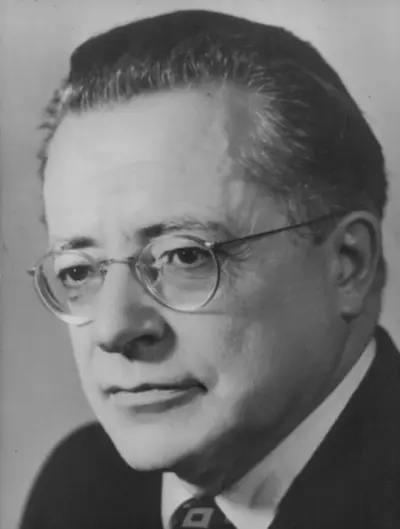
Palmiro Michele Nicola Togliatti was an Italian politician and leader of the Italian Communist Party from 1927 until his death. He was nicknamed Il Migliore ("The Best") by his supporters. In 1930 he became a citizen of the Soviet Union and later he had a city in that country named after him: Tolyatti.
