Angus Deaton Quotes
The absence of state capacity - that is, of the services and protections that people in rich countries take for granted - is one of the major causes of poverty and deprivation around the world.
Deaton, Angus. The Great Escape: Health, Wealth, and the Origins of Inequality. Princeton University Press, 2013.


Although almost a century ago, the same can now be said of many of the poorer nations of the world. Mexico, however, finally addressed many of the problems that Esquivel Obregon articulated, and Mexican development has been much more extensive.

What is also neglected very often is that America and the other developed nations exploited and destroyed much of their own environment in the process of developing yet they express concern that the lesser developed nations will do what they do.

Tibet and some other ethnic enclaves of China have been almost impervious to the general improvement in the standard of living that China accomplished at the end of the 20th century and beginning of the 21st. China is not the only nation to have this difficulty. Some would argue that America still has it with some of its Native American nations. The great challenge is trying to develop and modernize a culture that does not want to be modernized at the moment but still wants many of the benefits of modernization.


Poverty affect many more females than males. The individual decisions or lack thereof that can cause poverty in a family are much more frequently made by men with females having little or no say in many cultures. The politicians and powerful people who control many societies and could make the system changes needed to reduce poverty are mostly men.


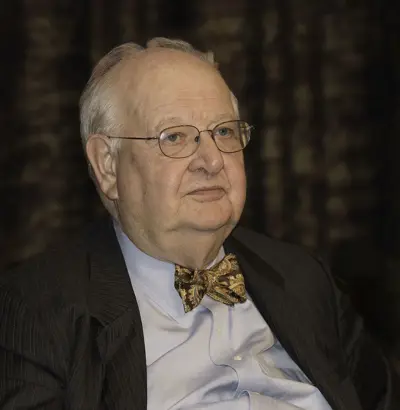
Sir Angus Stewart Deaton FBA is a British-American economist and academic. Deaton is currently a Senior Scholar and the Dwight D. Eisenhower Professor of Economics and International Affairs Emeritus at the Princeton School of Public and International Affairs and the Economics Department at Princeton University. His research focuses primarily on poverty, inequality, health, wellbeing, and economic development.
