Harold L. Ickes Quotes
A New Dealer regrets poverty and deplores the fact that it is necessary for society to slough off its misfits as an individual sheds his impurities and his diseases. But New Dealers believe that human want and human distress should be prevented or at least ameliorated.
Harold L. Ickes, 1874-1952, U.S. Secretary of the Interior (Republican), New York Times Magazine, September 5, 1943
Sourced by: Eigen's Political and Historical Quotations


The War on Poverty made substantial gains in reducing the percentage of poor people in America, but from 2000 till this statement in 2013, the economic policies and practices, together with the Great Recession, increased the assets of the richest Americans and also increased the percentage of poor Americans. See {634008}.


The Pool Laws provided economic and food relief for the very poor—an early type of welfare. Malthus and other conservatives hated the Poor Laws, but many like Malthus felt it immoral to terminate what was then the only social safety net. And none of the critics could suggest anything better and especially anything that would eliminate poverty altogether. The same issues were to be fought out in America during the Hoover Administration when the Great Depression struck. Hoover’s refusal for government to be the social safety net together with his inability to improve the economy, led to his ousting and the establishment of the New Deal with FDR.


The “War on Poverty” had an intellectual precursor.


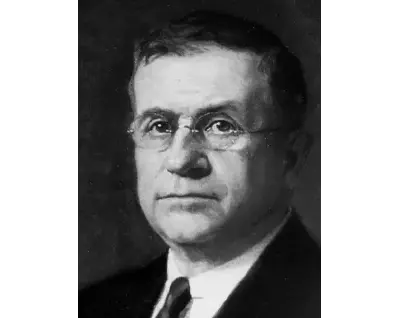
Harold LeClair Ickes was an American administrator and politician. He served as United States Secretary of the Interior for 13 years, from 1933 to 1946, the longest tenure of anyone to hold the office, and the second longest-serving Cabinet member in U.S. history after James Wilson. Ickes and Labor Secretary Frances Perkins were the only original members of the Roosevelt cabinet who remained in office for his entire presidency.
