Desmond Tutu Quotes
That so called "original sin" does not know any racial discrimination.
Tutu, Desmond. Hope and Suffering: Sermons and Speeches. W.B. Eerdmans, 1984.


Many fighters for civil rights split from the majority of the Black leadership over racial preferences for affirmative action.


The issue of slavery which had been suppressed in Congress for the first decades of the nation broke out when Missouri statehood was considered. By previous agreement, slavery was not even discussed in Congress but the time period elapsed. Tallmadge not only proposed that no more slaves could come into Missouri {613176} but most shocking to the Southerners was that every person born in the new state would be free at the age of 25. In a generation, there would be no more slavery in Missouri and there would be no economic compensation for slave owners at all. The House of Representatives accepted the amendment, but it failed in the Senate. At that time, Senators were not elected by voters but were appointed by the state legislators and the Southern slave states had a disproportionate share of the senate from a population point of view. But what this quotation shows clearly that a majority of the country in 1819 were opposed to slavery and were willing to end it without compensation.


Southerners and some others wanted to discriminate and fought civil rights legislation. The excuse they gave for opposition was that the Federal Government was usurping the power of the states to determine what civil rights people of the state would have. Shellabarger made it clear that the civil rights bill would not require ANY rights to be given. It just required that if the states granted rights, they could not discriminate by race as to those rights. But the states were free to decide which rights all citizens of the state would have. See {623473} .

There are few people today who could believe that a United States senator would castigate the head of a Federal Agency for spreading “racial equality propaganda.” But at the time—1943—the actions of Education Commissioner John W. Studebaker and his Assistant took remarkable courage.


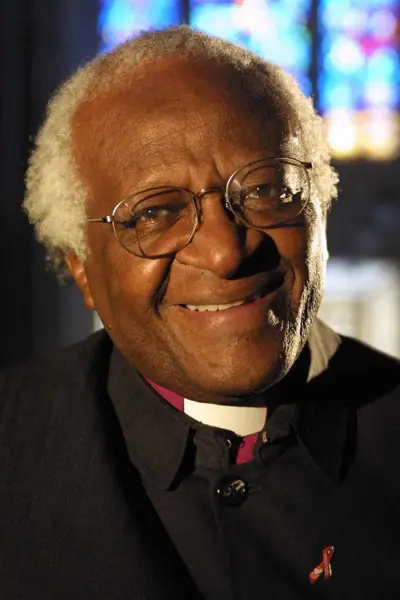
Desmond Mpilo Tutu OMSG CH GCStJ is a South African Anglican cleric and theologian, known for his work as an anti-apartheid and human rights activist. He was the Bishop of Johannesburg from 1985 to 1986 and then the Archbishop of Cape Town from 1986 to 1996, in both cases being the first black African to hold the position. Theologically, he sought to fuse ideas from black theology with African theology.
