Robert G. Ingersoll Quotes
Superstition is, always has been, and forever will be, the foe of progress, the enemy of education and the assassin of freedom.
Ingersoll, Robert G. "Superstition." The Works of Robert G. Ingersoll, vol. 4, Dresden Publishing Co., 1902, p. 291.


The classic dilemma is that religious moderates and scientists do not argue to force everyone to follow the dictates of science, but in almost all societies and nations, religious fundamentalists strive to force their beliefs on all and make disagreement illegal.


Spinoza was one of the most feared intellectuals in human history—feared that is by the established power structures. He is the only known person who was excommunicated by the Catholics, the Jews and the Muslims—all were forbidden to read his works. He was the enemy of authority and advocated personal reason as the guide for men.


Even in free America, Allen had a very difficult time getting this work printed because it was so controversial culturally. He argued that existing religions contribute to superstitious fears of the population.


By “arts” Jefferson meant the mechanical arts—inventions and engineering. Jefferson Extrapolated the science and technology progress at the time to the future in a way that few others did at that time.


Learning, studying and seeking knowledge are fundamental to Mormonism. In this sense, it is very similar to Judaism.


Spinoza’s ideas were considered so radical and dangerous that he was the only man in history who was excommunicated by the Catholics, the Jews and the Muslims.


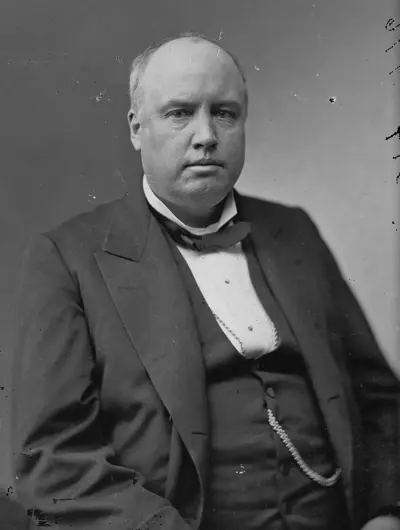
Robert Green "Bob" Ingersoll was an American lawyer, a Civil War veteran, political leader, and orator of the United States during the Golden Age of Free Thought, noted for his broad range of culture and his defense of agnosticism. He was nicknamed "The Great Agnostic". Ingersoll was considered to be the greatest orator and political thinker of his day, but his overt atheistic views curtailed his elected political career.
