H. G. Wells Quotes
All men, however highly educated, retain some superstitious inklings.


In an interview with a Norwegian magazine, the Eco stated that he had based his novel, “Foucault’s Pendulum”, on Chesterton’s epigram: “When men stop believing in God, they don’t believe in nothing, they believe in anything.” See related quote.


Most historians agree that by “superstition,” Grant was referring to the Catholic Church, which had been steadily growing will more and more immigrants arriving in America. There was great hostility between Protestants and Catholics at the time.

Even in free America, Allen had a very difficult time getting this work printed because it was so controversial culturally. He argued that existing religions contribute to superstitious fears of the population.


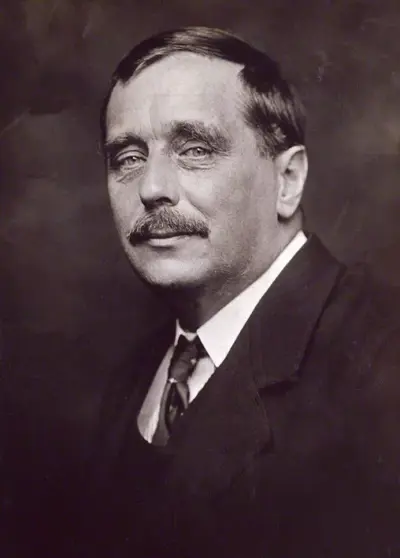
Herbert George Wells —known as H. G. Wells—was a prolific English writer in many genres, including the novel, history, politics, social commentary, and textbooks and rules for war games. Wells is now best remembered for his science fiction novels and is called a "father of science fiction", along with Jules Verne and Hugo Gernsback.[a] His most notable science fiction works include The Time Machine (1895), The Island of Doctor Moreau (1896), The Invisible Man (1897), and The War of the Worlds (1898). He was nominated for the Nobel Prize in Literature four times.
