Dinesh D'Souza Quotes
...Slavery appears such a relatively mild business that one begins to wonder why Frederick Douglass and so many others ever tried to escape.
D'Souza, Dinesh. The End of Racism: Principles for a Multiracial Society. Free Press, 1995, p. 91.


Southern secession and the Civil War This is one of the major quotations with which historians rebut the revisionist view that the Civil War was about States’ Rights or other economic factors.

Referring to Black Congressman Julian Bond: Louis Eugene Walcott


The language was removed in the negotiations that followed Jefferson's draft.

I should sooner remain in Southern bondage than avail myself of the opportunity of Northern freedom.
Hughes was a strong critic of the exploitation of laborers in the North by what he called the “bloated capitalist” First Irish Bishop in the United States

The cotton industry and slavery were a very important part of the economy of Providence, RI. The Rhode Island cotton mills were supplied by Southern cotton produced by slaves and carried from the South on Rhode Island ships. Many of the southern slaves were kidnapped from Africa from Rhode Island slave trading ships. When the slave trade was made illegal, Brown was the first slave trader prosecuted. His brother, Moses Brown, a vehement abolitionist was one of the men who brought the prosecution.
A few years later he had a clearer idea of what was to be done. However, the additional factor of the Civil War played a big part in driving his Emancipation Proclamation. See {609360}

Generally, Jefferson was not in favor of whipping slaves, but this quotation shows that he essentially accepted the basic principles of Southern Slavery—including the one that says if the person does not want to work for you, you may whip, beat, or torture him or her to produce “reasonable work.” This acceptance of slavery and profiting from it, is the terrible blot on the record of the man who otherwise was among the few greatest of Americans.


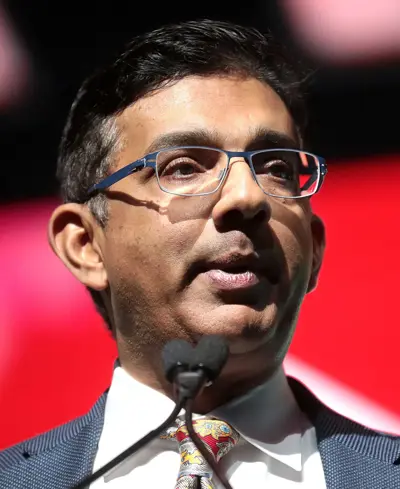
Dinesh Joseph D'Souza is an Indian-American right-wing political commentator, provocateur, author, filmmaker, and conspiracy theorist. D'Souza has written over a dozen books, several of them New York Times best-sellers.
