Brigham Young Quotes
Since the day that we first trod the soil of these valleys, have we received any assistance from our neighbors? No, we have not. We have built our homes, our cities, have made our farms, have dug our canals and water ditches, have subdued this barren country, have fed the stranger, have clothed the naked, have immigrated the poor from foreign lands, have placed them in a condition to make all comfortable and have made some rich. We have fed the Indians to the amount of thousands of dollars yearly, have clothed them in part, and have sustained several Indian wars, and now we have built thirty-seven miles of railroad. All this having been done, are our cities, our counties and the Territory in debt? No, not the first dollar.
The Mormon settlement of the West has, from an economic development point of view, produced a successful model that few have ever even approached. Using techniques that ranged from classic capitalism to classic socialism, they blended both systems into a unique structure of their own. The results were spectacular despite the fact that the Mormons faced boycotts from manufacturers throughout the country and could borrow no money from banks, and never received any financial help from the Federal or any other government but their own. Even if they had gone into heavy debt, the results would have been spectacular, but achieving all that without any debt whatsoever is one of the most successful economic developments in the history of the world.
Brigham Young, 1801-1877, Mormon Leader and Governor of Utah, Speech, January 10, 1870
Sourced by: Eigen's Political and Historical Quotations

Arguing that Slavery inhibited a society from development ...


Marie Joseph Paul Yves Roch Gilbert du Motier


In America that had almost happened as the farmers were at the mercy of the railroad monopoly in any one area.

In order to develop the country she invited immigrants to come to Russia and many did at the same time that England was encouraging immigrants to develop the lands and resources of America


What is also neglected very often is that America and the other developed nations exploited and destroyed much of their own environment in the process of developing yet they express concern that the lesser developed nations will do what they do.

Ataturk drafted the declaration before he had come to power and it was signed by a number of the Turkish leaders. It was designed to try and rebuild Turkey after its disastrous foreign policy and military decisions joining Germany in fighting WWI. The Turks thought of this as their “Magna Carta”.


Although Madison vetoed the Federal bill to improve the national infrastructure, he was very much for the improvements and he said so in this veto message. He, however, did not see the Constitutional authority for the Federal government to appropriate moneys to be spent in the States for infrastructure improvement. He was for a Constitutional Amendment to do so or to make the improvements using State money as New York did building the Erie Canal. Alexander Hamilton, and many of the Congressmen who voted for the bill disagreed (many of whom were also in the Constitutional Convention) and did not see the Constitutional limitation that Madison did. See Hamilton’s Quote 644278. He was particularly concerned that small and less affluent states could not possibly have the skill to design these or the finances to build them. Later President’s and Congresses sided with Hamilton. It would be hard to envision America today of Madison’s view had prevailed.

James Madison agreed on the importance of infrastructure but disagreed that the Congress had to Constitutional authority to spend federal money for an improvement in a state. See Quote 644277.

In New York City for example, many more citizens and tourists go to New York Museums than attand Professional andCollege sports events. The arts are very effective economic development mechanisms ceating jobs as well as providing cultural development and entertainment for the polulace.

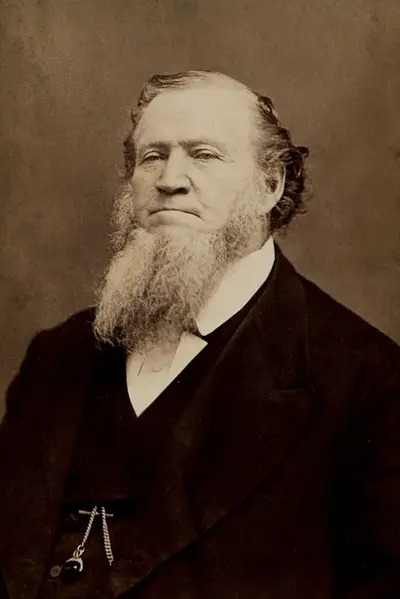
Brigham Young was an American religious leader, politician, and settler. He was the second president of The Church of Jesus Christ of Latter-day Saints (LDS Church) from 1847 until his death in 1877. He founded Salt Lake City and served as the first governor of the Utah Territory. Young also led the foundings of the precursors to the University of Utah and Brigham Young University.
