Ambrose Bierce Quotes
RACK, n. An argumentative implement formerly much used in persuading devotees of a false faith to embrace the living truth. As a call to the unconverted the rack never had any particular efficacy, and is now held in light popular esteem.
Bierce, Ambrose. The Devil's Dictionary. New York: Neale Publishing Company, 1911.


See {586039} for a quotation that goes further and seeks to punish and humiliate the non believers. This sura is often used by those wishing to illustrate the intolerance of Islam—especially of other religions. They fail to put this into the context of the Old Testament which proscribed death for heretics or the history of Christianity regarding the murder of nonbelievers. The difference is however, that a very small proportion of Jews or Christians today believe in following Biblical instructions in this respect while the proportion of Muslims who believe in the literal interpretation of scripture on these points is much larger. However there are Islamic modernists and moderates throughout the world who reject this notion of warring on all other religions and there is a struggle going on within Islam itself.


It was uttered in the King’s name by soldiers and officials throughout the land. It is not certain that the exact words of choice were created by Louis but they were uttered in his name. Protestants had been given the right to practice their religion in France by the King’s grandfather (the Edict of Nantes {617664}), but Louis XIV rescinded that {617765} and gave Protestants this choice. Some converted. Some were murdered. Some escaped to other countries.


Damn this world, Damn this time. Damn this fate That uncivilized Arabs have come to make me a Moslem
This is a huge epic poem that he wrote over several years. At the time, the Persians considered themselves far more civilized and sophisticated than the Arabs who were but tribesmen. They really resented the fact that it was the Arabs that brought Islam. And before, most of the Persians worshipped Zoroaster. Although Islam spread faster and further than any religion in history, it was not always easily accepted as this stanza of the poem indicates. There is to this day a superiority that the Iranians perceive over the Arabs. And to this day, many Arabs resent the Iranians for this attitude.

Like the other people’s of the ancient world, the Jews on several occasions murdered captives and pillaged cities who had resisted them, there was never an occasion where captive peoples were forced into Judaism or denied the worship of their customary religion.
The boycott had been triggered by a breakup of a mixed marriage where the Protestant wife took her two children to Belfast and would only reunite with her husband if he agreed to bring up the children as Protestants. This brought Catholic accusations of a Protestant conspiracy and plot to kidnap Catholic Children and take them to Northern Island to be brought up as Protestants. The boycott soon ended as it was too unfair for all but the most rabid Anti-protestants.


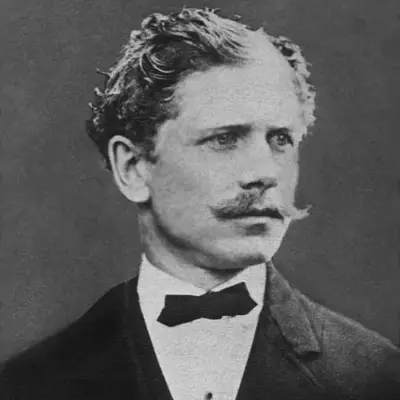
Ambrose Gwinnett Bierce was an American short story writer, journalist, poet, and Civil War veteran. His book The Devil's Dictionary was named as one of "The 100 Greatest Masterpieces of American Literature" by the American Revolution Bicentennial Administration. His story "An Occurrence at Owl Creek Bridge" has been described as "one of the most famous and frequently anthologized stories in American literature"; and his book Tales of Soldiers and Civilians (also published as In the Midst of Life) was named by the Grolier Club as one of the 100 most influential American books printed before 1900.
