Robert H. Jackson Quotes
Procedural fairness and regularity are of the indispensable essence of liberty. Severe substantive laws can be endured if they are fairly and impartially applied.
Robert Houghwout Jackson, 1892-1954, Chief Prosecutor, Nuremberg War Crimes Tribunal, U. S. Attorney General (Democrat), U. S. Supreme Court Justice, Dissent, Shaughnessy v. United States ex rel Mezei, 345 U.S. 206, 1953
Sourced by: Eigen's Political and Historical Quotations


Rynnymede was the location in England where the Barons of the realm confronted King John and forced him to sign the Magna Carta. This was the first event that limited the powers of the King


The Senator was arguing against a bill to correct an aspect of the immigration law where infants and very young clildren are broght to the United States by parents who entered illegally. The children grow up in the United States—the only country and home that they have ever known. American law required that they be deported to “their countries” which they have no memory of and many do not even speak the language or know the culture. Sessions, is an example of the view that law defines justice. Therefore laws cannot be unjust nor can enforcing the law. Opponents point out that even in the United States we have, in earlier times, “enforced the law” which we came to regret and see as an injustice. The Fugitive slave laws, the Southern racial discrimination laws, and the law allowing Japanese American Citizens to be interned and lose their land during WWII are a few examples of laws, the enforcement of which is seen by most Americans as having been unjust. The execution of “witches” in early America was in conformity with the law.


Bruce is one of the few American Comedians to so offend the political establishment that he was constantly legally harassed throughout his career. He was actually criminally convicted in New York for obscenity. In 2003 he was posthumously pardoned by the New York Governor, the first posthumous pardon in state history.


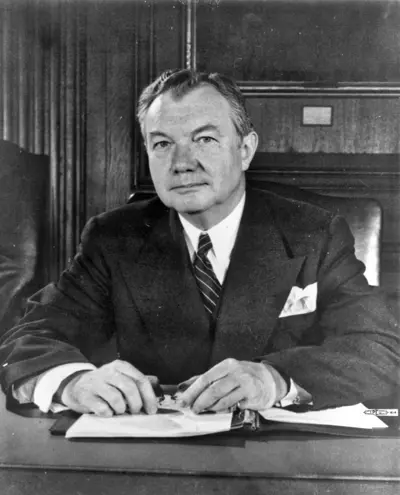
Robert Houghwout Jackson was an American attorney and judge who served as an Associate Justice of the United States Supreme Court. He had previously served as United States Solicitor General and United States Attorney General, and is the only person to have held all three of those offices. Jackson was also notable for his work as Chief United States Prosecutor at the Nuremberg trials of Nazi war criminals following World War II.
