John McCain Quotes
Presidential nomination debates have turned into mud wrestling instead of expositions of the candidates’ views.
In 2011 and 2012, there were several candidates vying for the Republican Nomination for the Presidency. The contest was close, and the candidates unleashed on each other the negative advertising and outrageously false accusations which they had previously only reserved to attack Democrats. They were so good at it, that they all drove up each others’ negatives—so much so that the potential Republican Candidate would be permanently scarred in the minds of the public. More mature and senior Republicans like McCain urged an end to the face to face confrontations of debates.
John McCain, U. S. Senator (Republican, AZ), Republican Presidential Nominee, NBC Meet the Press, January 29, 2012
Sourced by: Eigen's Political and Historical Quotations


In 2012, the Republican party had shifted to the right and was split between two factions. None of the 4 leading candidates had the support of a majority of the activist Republicans who vote in Primary elections. The then started to vie with each other for the most conservative elements of the party and did so by attacking the other candidates, making moral pronouncements and attacking President Obama. None of them offered any positive programs or solutions to the problems they claimed existed, and the attacks on the others were always that they were “really not conservative” and “could not get elected.” The result was that all the candidates negatives rose.


Some Democrats had been making personal attacks on Herbert Hoover, Baruch a Democratic supporter was outraged and put a stop to much of it. His letter to Hoover is the high water mark in the ethics and methods of Presidential campaigning. 80 years later, there was a Republican Presidential Nomination contest in which there was almost no content other than personal attacks on the other candidates interspersed with personal attacks on the incumbent President. It was one of the low points of Presidential campaigning.


He was the only candidate who was not visciously attacked and slandered by the others, and he did no attacking himself. However, he simply did not attract the voters as did the other candidates who were so negative about their opponents. The Republican party primary voters were so insistent on political party purity that most of the candidates were reduced to the lowest forms of debate and standards of veracity. All the candidates were weakened and diminished by that form of negative primary process. Mitt Romney finally won the nomination but had been bruised badly by the Republican primary election. He last the general election badly.

His older brother was running for Consul—the highest elected office of the Roman Empire. The Handbook, was his advice to his brother as to how to conduct his campaign.

Msny critics agree with him observing that, with his rough and tumble campaign tactics, he made them that way.


Canadian election campaigns are by American standards extremely short, just a few months. Although she was trying to say that the particular issue takes more time to discuss and resolve satisfactorily in such a limited time frame, this particular gaffe was one of her more commonly quoted. Canada's first female Prime Minister. See Grover Cleveland who faced a similar situation and came our less scathed.
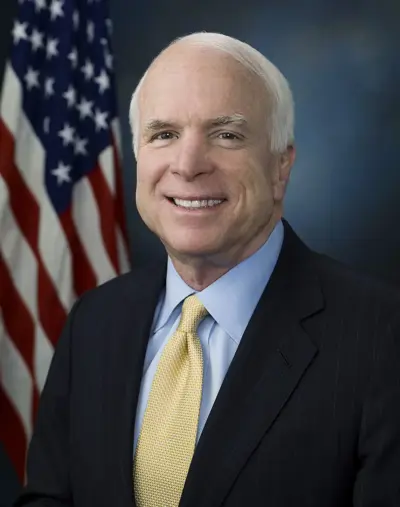
John Sidney McCain III was an American politician, statesman and United States Navy officer who served as a United States Senator for Arizona from 1987 until his death in 2018. He previously served two terms in the United States House of Representatives and was the Republican nominee for president of the United States in the 2008 election, which he lost to Barack Obama.
