Charles Duhigg Quotes
Patents are being used to wage war in the digital world, and as a result, patents have become a toll gate on the road of innovation.
Duhigg, Charles. "The Apple Patents." The New York Times, 2012.


Many people believe that patents—especially in the high technology arena—actually inhibit innovation.

He worked for General Electric for over 40 years and held 322 patents. However, it was the corporation that financially benefitted from the monopolies granted by the patents. Our legal system assumes that the creative output of an individual who is an employee is the property of the employer just as the output of the slave was the property of the master.


When Secretary of State, Jefferson ran the first American Patent Office. The Patent system was originally and educational program, not an intellectual property program. Inventors would keep all their technological secrets to themselves. The idea behind the original patent system was to give an inventor a limited monopoly on profiting from his invention in exchange for sharing his information and techniques with his countrymen—thus improving the technological competency of the entire society. The very first patents were available for public inspection for that reason. And even today, copies of patents are available easily for almost no cost. And few American ideas worked as well as our early patent system. Through its educational role and technology transfer, America came from technological nowhere to being the pre-eminent inventing nation of the world. The balance between public access to invention and innovation and preservation of some rights to the creator of intellectual property is key to modern development.

This principle justified the Government in allowing a local Indonesian company to manufacture anti-AIDS drugs without paying licensing rates demanded by the drug companies that held the patents. The principle is that patent rights and the desire to profit should not supersede the rights of people to continue to live because they cannot afford the drugs to keep them alive. The local manufacturers provide the drugs to the government at cost of manufacture which is a tiny proportion of the price the patent owner charges.


One of the limits of the patent systems for an individual or small company is the huge effort it takes to document an invention and enforce patent rights after getting a patent.
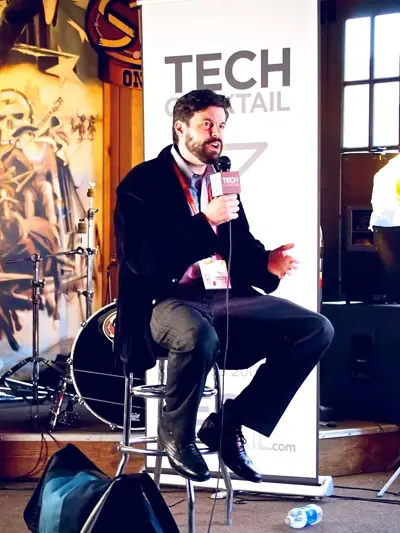
Charles Duhigg (born 1974) is an American journalist and non-fiction author. He was a reporter for The New York Times, currently writes for The New Yorker Magazine and is the author of two books on habits and productivity, titled The Power of Habit: Why We Do What We Do in Life and Business and Smarter Faster Better. In 2013, Duhigg was the recipient of the Pulitzer Prize for Explanatory Reporting for a series of 10 articles on the business practices of Apple and other technology companies.
